Close Menu
Xsum NewsXsum News

    Stay Updated.

    Get the latest Africa-focused business & infrastructure news and more directly to your inbox.

    What's Hot

    Mining Review Africa launches French and Portuguese versions to bridge regional digital divide

    Building South Africa’s next chapter through sustainable infrastructure

    Southern Africa Eco-Infrastructure Summit 2026 accelerates sustainable infrastructure and green real estate investment across the southern region

    Facebook X (Twitter) Instagram
    Trending
    • Mining Review Africa launches French and Portuguese versions to bridge regional digital divide
    • Building South Africa’s next chapter through sustainable infrastructure
    • Southern Africa Eco-Infrastructure Summit 2026 accelerates sustainable infrastructure and green real estate investment across the southern region
    • Sustainable infrastructure strengthens South Africa’s future
    • Initial 11 rail operators selected for 41 routes as South Africa takes major step in opening up freight rail to private sector
    • Risk mitigation focused as SA opens rail and port networks to private participants
    • AIHS partners with Federal Department of Housing and Urban Development at 18th Housing Show
    • AIHS mourns Raila Odinga and celebrates his work in affordable housing and urban development
    X (Twitter) Instagram YouTube LinkedIn TikTok
    Xsum NewsXsum News
    • African Development Bank
    • Africa Finance Corporation
    • All Africa – Construction & Infrastructure
    • Africa Intelligence
    • Construct Africa
    • More
      • Mining Review Africa
      • Energy Capital Power
      • Sustainability & Climate-Resilient Infrastructure
      • Private-Sector Infrastructure Players
      • Urban Development & Housing
    Xsum NewsXsum News
    You are at:Home»More»Sustainability & Climate-Resilient Infrastructure»Megacity Kinshasa aims for a climate-resilient future through urban management
    Sustainability & Climate-Resilient Infrastructure

    Megacity Kinshasa aims for a climate-resilient future through urban management

    Xsum NewsBy Xsum NewsNovember 28, 2025No Comments4 Mins Read1 Views
    Facebook Twitter Pinterest Telegram LinkedIn Tumblr Email Reddit
    Share
    Facebook Twitter LinkedIn Pinterest WhatsApp Email

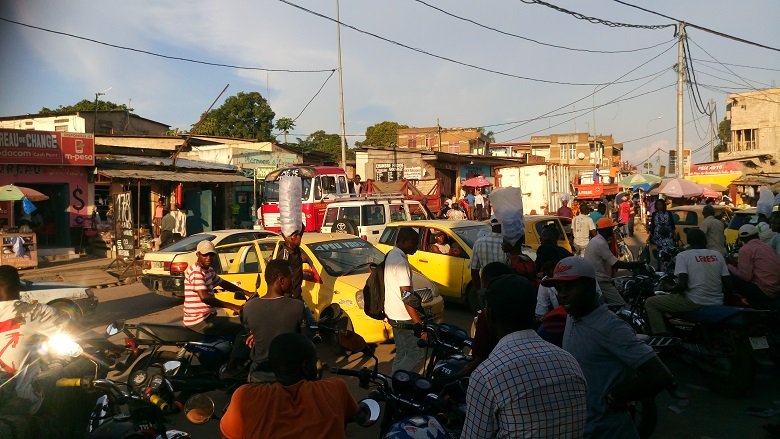
    Like many large cities around the world, Kinshasa faces many challenges. The capital of the Democratic Republic of Congo, with a population of about 15 million people, is known for severe traffic congestion, widespread poverty, unreliable power, decades of violent conflict, and potential vulnerability to floods, droughts and other climate changes. Additionally, the COVID-19 pandemic is impacting the economic and health well-being of the people of Kinshasa.

    Kinshasa is not unique in this respect. Many of the same issues are even more urgent in the 30-plus megacities around the world with populations of more than 10 million people. Additionally, rapid urbanization in sub-Saharan Africa is estimated to cause the urban population to triple from 441 million in 2020 to 1.3 billion by 2050. In 2020, the country’s urban population grew by 4.5%. This represents 1.5 million new residents arriving in the city every year.

    In the near future, Kinshasa, like many other cities, is expected to experience rising temperatures, extreme precipitation and flooding, and increased frequency of droughts, all of which could reduce business and industrial productivity. These changing conditions have the potential to damage infrastructure, with potentially devastating effects, especially for small-scale farmers and poor urban dwellers, which are exacerbated by rapid and poorly planned urbanization.

    As the population grows and climate change intensifies in DRC’s urban areas, particularly in Kinshasa, the need for practical solutions is clear. By addressing these challenges, Kinshasa can be at the forefront of the movement towards more sustainable cities.

    “With population growth and climate change intensifying in the Democratic Republic of Congo’s urban areas, particularly in Kinshasa, it is clear that practical solutions are needed.”

    A sustainable and resilient Kinshasa – improving urban management

    The World Bank’s Kin Elenda project, which stands for Sustainable and Resilient Kinshasa, recognizes the urgent need to improve institutional capacity for urban management, as well as access to infrastructure, services and socio-economic opportunities in Africa’s largest city. This five-year, $500 million project, funded equally by International Development Association credits and grants, aims to make not only infrastructure but also communities more inclusive and resilient.

    The project, scheduled to begin in 2022, has climate resilience as a top priority and was established with strong institutional buy-in from various levels of government, utility companies and other benefit groups.

    The Kin Elenda Project’s sustainability investments target specific revenue sources in Kinshasa, building on existing projects. Low-maintenance solutions are preferred. A solar-powered street light. Durable road surfaces and materials for roads, sidewalks, walls, and other hardscapes. A native plant that doesn’t require much water. Technical solutions for water supply, solid waste management and sanitation are based on operational and maintenance needs. These approaches, combined with research on financial sustainability and related capacity building, support the long-term sustainability of these services. The project will also support improved urban planning and revenue generation, which in turn will contribute to improved services and governance.

    “The five-year, $500 million project is funded equally by International Development Association credits and grants and aims to make not only infrastructure but also communities more inclusive and resilient.”

    Resilient urban infrastructure is key

    Kinshasa’s Kin Elenda project is one of several that will help Africa’s fast-growing cities build resilience to floods and other disasters, while improving land-use planning, urban infrastructure and services, and upgrading informal settlements.

    The $315 million IDA-funded project will help build new artificial landfills and optimize waste transportation routes.

    In Dar es Salaam, Tanzania, where 70 to 80 percent of residents live in the city’s most flood-prone areas, citizen scientists and drones were mobilized to improve the accuracy of soil maps and better guide the city’s decision-making. Using this approach, the Tanzania Urban Resilience Program conducted urban flood modeling with greater accuracy and at a fraction of the cost than traditional surveys.

    aims climateresilient future Kinshasa management megacity urban
    Share. Facebook Twitter Pinterest LinkedIn Reddit WhatsApp Telegram Email
    Previous ArticleMasond calls on private sector to boost infrastructure funding
    Next Article South Africa’s new R18 billion city breaks ground – BusinessTech
    Xsum News
    • Website

    Related Posts

    Building South Africa’s next chapter through sustainable infrastructure

    April 14, 2026

    Southern Africa Eco-Infrastructure Summit 2026 accelerates sustainable infrastructure and green real estate investment across the southern region

    April 14, 2026

    Sustainable infrastructure strengthens South Africa’s future

    April 13, 2026
    Leave A Reply Cancel Reply

    Top Posts

    African Development Bank Group and Nedbank Group sign multi-billion rand funding partnership to transform housing access and boost African trade

    December 19, 202529 Views

    A United Continent on the Move: Ambassador Kouyateh’s Call for an African Logistics Renaissance

    November 20, 202529 Views

    Eni secures multi-million dollar loan for African FLNG project

    January 26, 202622 Views

    African Development Fund and WHO collaborate to save Sudan’s health system

    November 17, 202522 Views
    Don't Miss
    Mining Review Africa April 17, 2026

    Mining Review Africa launches French and Portuguese versions to bridge regional digital divide

    670 VUKA Group’s flagship publication, Mining Review Africa, this week launched a French and Portuguese…

    Building South Africa’s next chapter through sustainable infrastructure

    Southern Africa Eco-Infrastructure Summit 2026 accelerates sustainable infrastructure and green real estate investment across the southern region

    Sustainable infrastructure strengthens South Africa’s future

    Stay In Touch
    • Twitter
    • Instagram
    • YouTube
    • LinkedIn
    • TikTok

    Stay Updated.

    Get the latest Africa-focused business & infrastructure news and more directly to your inbox.

    About Us
    About Us

    Xsum News is Africa’s digital window into the future of business. We tell stories of innovation, enterprise, and investment that are shaping the continent’s economic rise. African Business, Added Up.

    X (Twitter) Instagram YouTube LinkedIn TikTok
    Our Picks

    Mining Review Africa launches French and Portuguese versions to bridge regional digital divide

    Building South Africa’s next chapter through sustainable infrastructure

    Southern Africa Eco-Infrastructure Summit 2026 accelerates sustainable infrastructure and green real estate investment across the southern region

    Most Popular

    African Development Bank praises Algeria’s development model, aims to replicate its success across the continent

    Considering the redefinition of African capital by UBA and Arauba

    G20 Energy Investment Forum brings together Africa’s top finance, insurance and technology leaders

    © 2026 Xsum News. All Rights Reserved.
    • 🌍 About Xsum News
    • 📬 Contact us
    • Privacy Policy
    • Terms & Conditions
    • Disclaimer

    Type above and press Enter to search. Press Esc to cancel.