


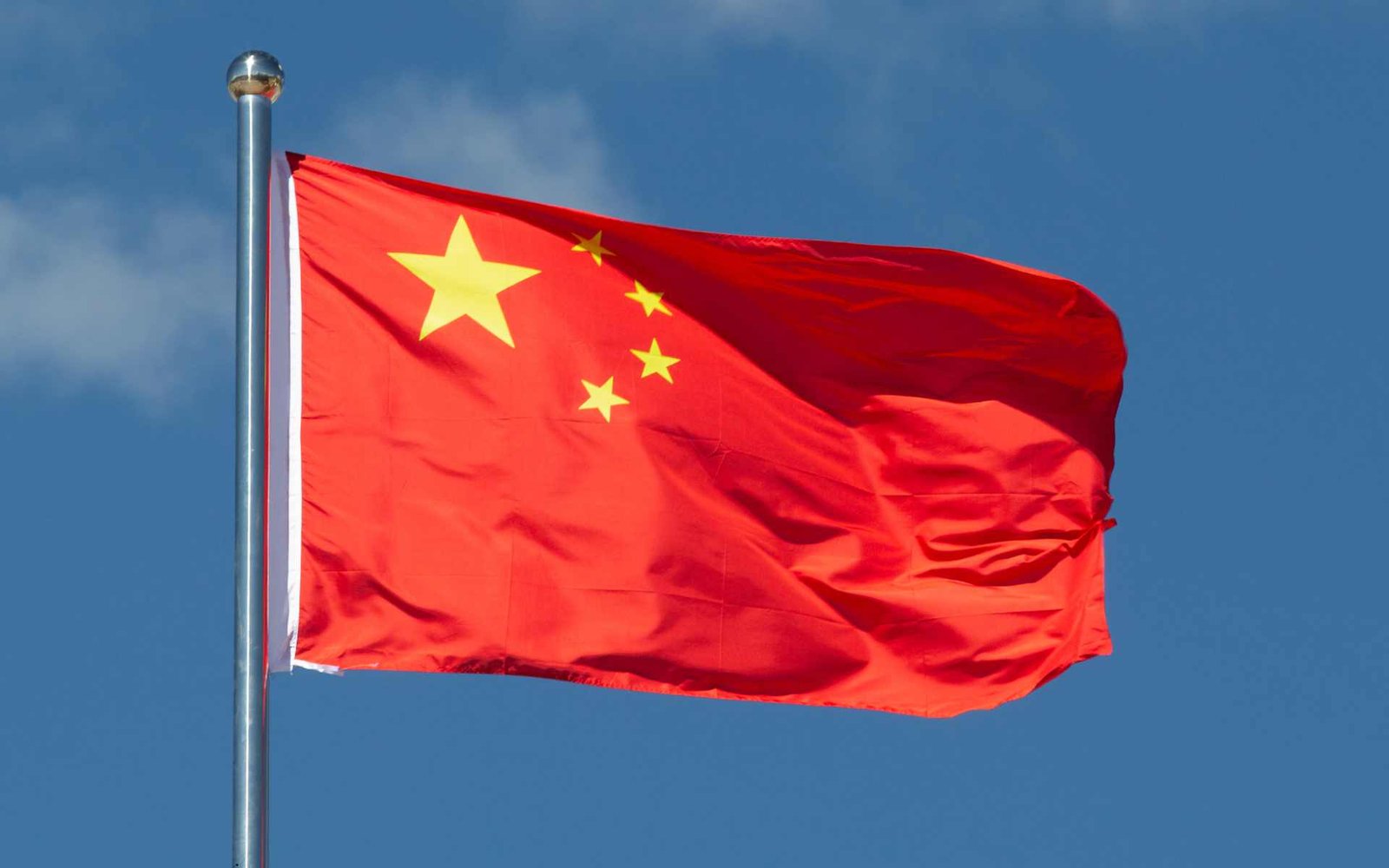
China continues to strengthen its influence across Africa’s mining sector by acquiring management and operating rights in key strategic projects, reinforcing its position as the world’s key mineral refining and manufacturing hub. In line with China’s Belt and Road Initiative, a global infrastructure and economic development strategy that connects China with global markets, these acquisitions will provide Africa with capital, technical expertise and infrastructure development to accelerate growth in the mining sector.
Guinea: Baowu gains operational control of Simandou
In February 2025, China’s Baowu Resources, the world’s largest steel manufacturer, increased its stake in mining company Winning Consortium Simandou (WCS) to 51% and acquired operational management rights for Blocks 1 and 2 of the Simandou iron ore deposit in Guinea. The move will give China greater access to the world’s largest iron ore deposits and strengthen its strategic supply position in a tightening global market.
Simandou is expected to produce up to 120 million tonnes of high-grade iron ore annually, and the deal will see Guinea benefit from Chinese technological expertise and capital. As a major minerals hub, China brings capabilities that will help strengthen Guinea’s role as a key iron ore supplier, while driving downstream value chain development and supporting large-scale infrastructure growth.
Zambia: JCHX acquires Lubambe copper mine
Zambia, Africa’s second-largest copper producer, is chasing a national target of increasing production to 3.1 million tonnes by 2031, but Chinese companies are also expanding their footprint in the country, supporting production expansion targets. Chinese contractor JCHX Mining Management Co. recently acquired an 80% controlling interest in the Lubambe Copper Mine, securing operational control of one of Zambia’s largest copper assets. Through a multi-year $300 million expansion program, the mine will make a significant contribution to Zambia’s copper sector, supporting an 8% increase in national copper production in 2025.
Malawi: Development of heavy mineral sands
In Malawi, Chinese investors Shandong and Hainan have acquired a 51% stake in the Mawei heavy mining sands project, gaining access to the country’s most important upcoming rare earth development. Global rare earth demand is expected to triple by 2035, from 91,000 tonnes in 2024 to 150,000 tonnes, and the combination of China’s technological expertise and the project’s 350 million tonnes of mineral reserves will position Malawi as a major supplier to global markets. The project, which is expected to generate more than $1 billion in revenue, highlights China’s role in advancing Malawi’s agriculture, tourism and mining economic development strategy, which aims to increase the mining sector’s contribution to GDP to 5%.
DRC: CMOC dominates copper and cobalt
China’s CMOC Group Limited operates some of the largest copper and cobalt mines in the Democratic Republic of the Congo, the world’s largest cobalt producer and one of Africa’s leading copper suppliers. The company owns 80% of the shares in the Tenke Fangulme copper-cobalt mine and 71.25% of the shares in the Kisanfu mine, strengthening China’s leadership in the global battery metals market.
Zimbabwe: China’s lithium leader
Chinese companies also control Zimbabwe’s lithium sector. Zhejiang Huayu Cobalt wholly owns the Arcadia mine, Sinomine Resources Group manages the Bikita lithium mine, Chengxin Lithium Group holds a 51% stake in the Xabi mine, and China Natural Resources has acquired a controlling stake in the Williams Minerals lithium project. Zimbabwe, the continent’s largest lithium producer, aims to redirect investment to local processing infrastructure while boosting exports. Chinese companies, which already have a strong position in this sector, are well-positioned to advance these goals.
Intensifying global competition
China’s growing presence across Africa highlights its strategic focus on securing long-term mineral supplies. In parallel, other global players are also increasing their involvement in Africa. For example, the United States recently extended the African Growth and Opportunity Act for another year, opening opportunities for increased trade and investment in African minerals. Canada already has $37 billion in African mining assets and is strengthening its position with a new Africa strategy to be launched in 2025. Australia maintains a large footprint through exploration and production licenses across the continent, while European countries are stepping up investment, with France announcing aggressive plans in January 2026 to regain influence in Africa’s mining sector through major financing and infrastructure support.
These investments demonstrate how global markets are racing to expand their footprint in Africa to strengthen mineral supply chains. As Chinese capital continues to tighten its grip across Africa’s strategic minerals, a key question is whether other global players can move fast enough to compete with China.
