


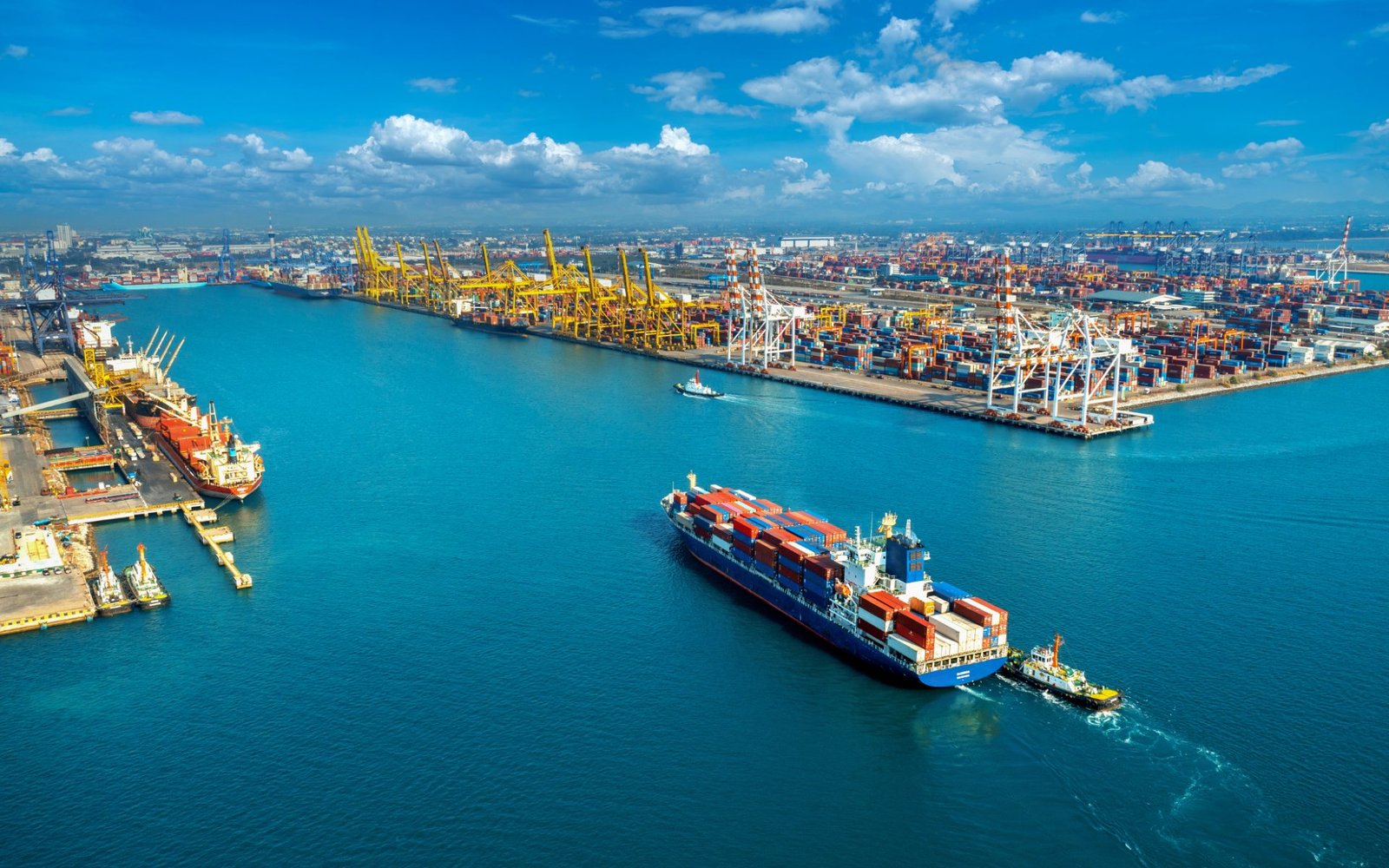
Following the closure of the Strait of Hormuz in early March 2026, global maritime trade has been rerouted around the Cape of Good Hope. Tanker traffic through the corridor has plummeted by about 90%, with more than 150 ships stuck outside the waterway and major shipping companies have been forced to reroute them.
Brent crude oil prices soared to more than $100 per barrel in March this year as supply chains tightened.
For Africa’s already highly indebted economies, the turmoil exposes deeper structural problems with oil-backed borrowing that locks future production into rigid contracts. With soaring prices and disrupted supply routes, important questions are emerging: Will resource-backed finance provide stability or trap countries when markets change?
Africa’s oil debt reduction
The Strait of Hormuz typically handles about 20 million barrels of oil per day, or nearly a third of the world’s offshore oil. The disruption pushed Brent prices closer to $120 a barrel, theoretically increasing exporters’ income. However, many African producers have not been able to take advantage of this rise.
Oil-backed borrowing means that a significant portion of future production is tied to debt service. Countries such as Angola and the Republic of Congo already pre-sell cargo to commodity traders and financiers under fixed agreements, limiting their exposure to rising spot prices.
These structures can cause severe liquidity stress during market fluctuations. Margin requirements associated with collateralized bonds can trigger additional payments when prices spike, as seen in early 2026 when Angola paid global financial services company JPMorgan about $200 million in additional collateral.
The fiscal impact will be amplified by increased external debt. African governments are expected to pay around $74 billion in debt service in 2026, compared with $17 billion in 2010, reducing fiscal space to cushion fuel and food price shocks.
Energy shock hits unevenly
Angola presents the risks of both resource-backed debt and transitioning away from it. Authorities are prioritizing refinancing high-cost debt through multilateral partners and market instruments, while reducing reliance on cargo-backed financing for future oil exports.
Despite soaring oil prices amid the Hormuz conflict, Angola’s financial benefits remain limited. This is because some of that production has already been used to repay old loan agreements. The debt-to-GDP ratio is expected to be between 45% and 59% in 2026, but liquidity risks remain high.
Algeria faces other structural challenges. The country sells most of its natural gas under long-term contracts with European buyers rather than on the spot market. With Asian LNG prices up 68% in a week and European benchmark prices up around 50%, Algeria has barely captured the upside.
Domestic demand also limited Algeria’s export flexibility. While more than 95% of the company’s electricity is generated from natural gas, internal consumption will exceed 45 billion cubic meters in 2023, and the amount it can sell overseas is steadily decreasing.
South Africa highlights the vulnerability of major importing countries during global supply disruptions. The country imports approximately 13.2 billion liters of crude oil and approximately 19 billion liters of refined petroleum products annually, making it highly exposed to fluctuations in global fuel prices.
Balancing offtake security and flexibility
The current crisis highlights a central dilemma in commodity finance. Oil-backed loans and long-term supply contracts provide security and a predictable revenue stream.
However, these structures sacrifice flexibility during market shocks. When prices soar or supply chains are disrupted, countries tied to pre-arranged contracts often receive little upside while still facing rising logistics costs, debt servicing and inflationary pressures.
Flexible financing mechanisms such as trade finance, multilateral loans, and regional credit facilities provide the liquidity needed to weather supply shocks. As the Hormuz disruption shows, adaptability in commodity markets can ultimately be more valuable than rigid security.
