


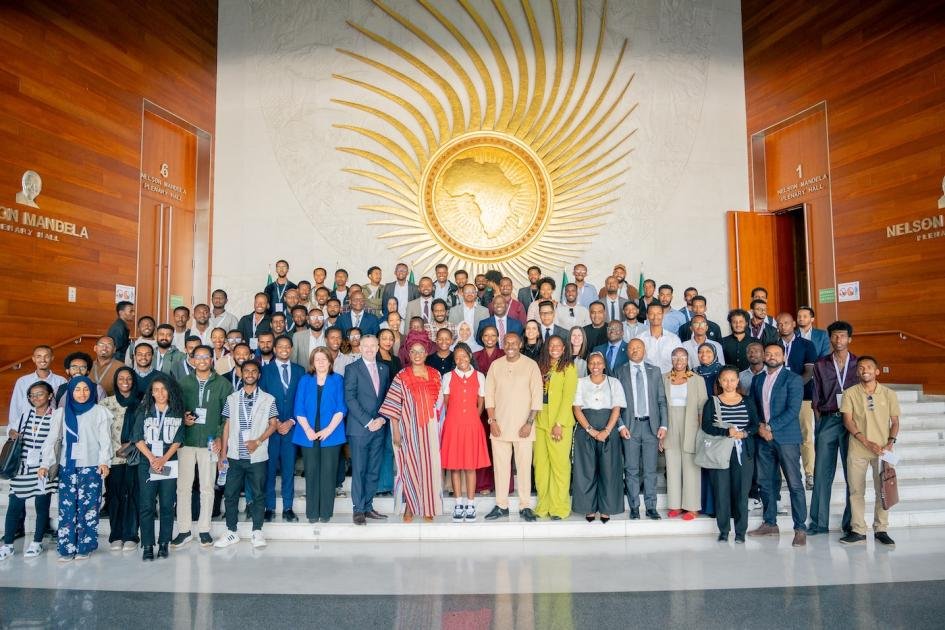
The African Union Commission (AUC) has signed a memorandum of understanding (MoU) with Google aimed at advancing artificial intelligence (AI) and digital transformation efforts across Africa.
of african union commission (AUC) signed a memorandum of understanding (MoU) with. google It aims to advance artificial intelligence (AI) and digital transformation initiatives across Africa.
The agreement was signed on February 17, 2026 at the AU Headquarters in Addis Ababa by Lerato D. Mataboge, Commissioner for Infrastructure and Energy at the AUC, and Charles Njenga Murito, Google’s Regional Director for Sub-Saharan Africa, Government and Public Policy.
This partnership is anchored in the African Union’s Continental AI Strategy and Africa’s Digital Transformation Strategy 2020-2030. According to the parties, the cooperation will focus on strengthening Africa’s digital and AI capabilities while building long-term institutional and technical capacity.
Priority areas outlined in the agreement include AI, digital and cloud infrastructure development. Development of talents and skills. research and innovation. Support for start-ups and micro, small and medium enterprises (MSMEs). and advances in policy and governance frameworks for responsible AI.
Speaking at the signing ceremony, Commissioner Mataboge placed the partnership within the African Union’s broader development agenda. He noted that Africa’s Digital Transformation Strategy (2020-2030) commits member states to building an inclusive digital economy, while the Continental AI Strategy provides a framework for the ethical and responsible development and governance of AI technologies on the continent.
Murito said the partnership aims to strengthen AI readiness and public sector capacity, which he described as a “transition from digital access to digital agency.” He also announced complementary initiatives in line with the MoU, including an AI-enabled training program for civil servants in Africa. non-political.
Additionally, Google has committed to training 3 million students and teachers in AI-related skills by 2030. The company also offers free access to AI tools, including: gemini with professionals notebook LM. Support for local languages such as Amharic is being built into these tools, a move aimed at improving accessibility and relevance across Africa’s diverse markets.
University students and young innovators from Addis Ababa attended the signing ceremony and worked with the signatories to implement the agreement. Their participation highlighted the partnership’s focus on youth inclusion and developing local digital talent.
The MoU signals a joint commitment to strengthen digital public infrastructure, expand access to digital opportunities, and promote responsible innovation as African countries continue to integrate AI into their public services and economic development strategies.
