


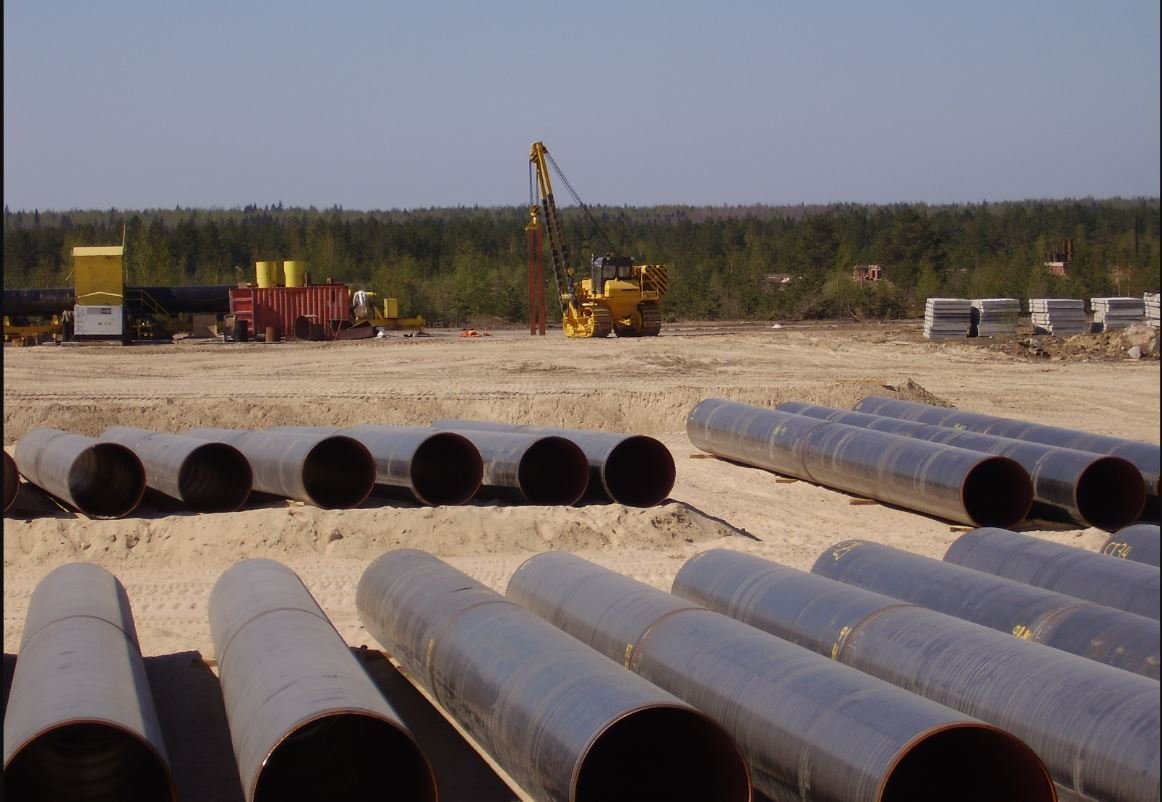
Zambia is set to develop two major cross-border energy pipelines after cabinet gave them the go-ahead in a step towards diversifying the country’s fuel import routes and reducing dependence on a single supply corridor.
The project will be implemented through a public-private partnership and includes the Tanzania-Zambia Multi-Product Pipeline (TZMPP) and the Namibia-Zambia Refined Petroleum and Natural Gas Pipeline (NZPGP). Together, these efforts aim to improve energy security and create a multi-corridor fuel supply network that supports Zambia’s growing industrial economy.
The TZMPP will be built in parallel with the long-established TAZAMA pipeline, which has been connecting Tanzania’s Dar es Salaam port with Zambia’s Ndola since 1968. While the existing line primarily transports diesel, the proposed $2 billion pipeline would transport several refined petroleum products, including gasoline, jet fuel, and heating oil. The new infrastructure is designed to handle around 7 million tonnes of fuel per year, almost double the country’s projected fuel demand of around 3.7 million tonnes by 2030.
Read: Uganda and Tanzania advance to procurement stage for 400kV power interconnection line
TAZAMA Open Access Policy
Officials said the project also builds on the momentum generated by the TAZAMA open access policy introduced in April 2025. The policy made pipeline infrastructure available to multiple oil marketing companies, increasing competition in the sector and helping to reduce fuel prices at the pump by about a third.
The second pipeline corridor will run west from Namibia’s Atlantic port of Walvis Bay to Lusaka. The Namibia-Zambia Refined Petroleum and Natural Gas Pipeline will deliver up to 350 million cubic feet of natural gas per day while transporting refined fuel products. The gas supply is expected to support gas-to-power efforts, particularly in Zambia’s energy-intensive copper mining operations.
The development of the Namibian Corridor coincides with the growing momentum of Namibia’s offshore oil industry. Energy companies are pursuing large-scale projects in the country’s waters, with Total Energies expected to decide on the Venus oil field by mid-2026. Meanwhile, Portugal’s Galp continues to assess the Mopane discovery site, which is estimated to contain approximately 1.1 billion barrels of oil.
The approval comes at a time when large-scale infrastructure investment is accelerating in southern and eastern Africa. Tanzania is nearing completion of the East African Crude Oil Pipeline, and the Lobito Corridor project is attracting significant funding to improve transport links between Angola’s Atlantic coast ports and the Copperbelt mining region.
For Zambia, the planned pipeline is more than just a new fuel transport route. By connecting to both the Indian and Atlantic Oceans, the country aims to establish a more resilient and competitive energy supply system that can support its expanding mining and industrial sectors.
