


As the revolution progresses rapidly, the world continues to search for solutions to all its problems. Since time immemorial, the world has been battling pollution. Only about 10 percent of the plastic produced is recycled, the rest is dumped, and most of it ends up in rivers, threatening aquatic life and polluting water.
Many countries in Africa continue to ban the use of plastics to address the threat of pollution.
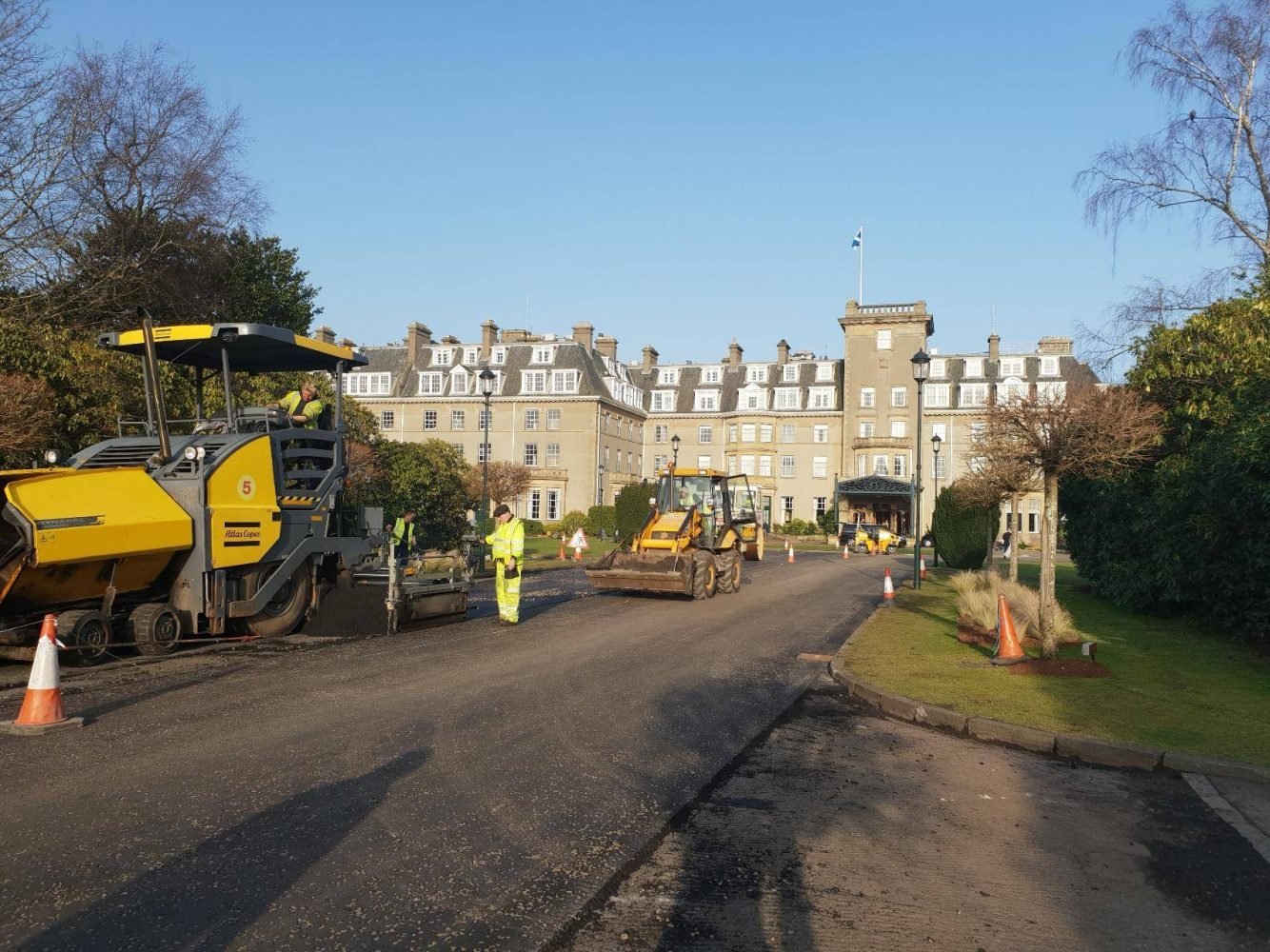
And now it’s possible to build roads using recycled plastic. Many countries, including the UK, US and China, have embraced the idea of plastic roads and are building some of their roads using plastic, a move that is making a significant contribution to reducing plastic pollution.
South Africa is the latest addition to the list of countries using plastic to build roads. The southern African country has begun building its first plastic road. The road is being constructed in Kouga, Eastern Cape.
Earlier this week, the city said it had begun installing new storm drains, with work expected to be completed within the next three months.
The idea of plastic roads was first raised in 2016 but approved in early 2019.
Kouga Mayor Horatio Hendricks said the road was being built by civil engineering experts in collaboration with Scottish company MacRiver and local authorities. MacRebur is a Dumfriesshire-based company founded in 2016.
“The road repair balance in our region is estimated to be over R500 million. Although Kouga City is financially strong, we do not have the rate infrastructure to decisively address this balance,” Mr Hendricks said.
Apparently, prefabricated plastic roads are 60% stronger and up to three times longer than traditional roads. Construction costs are also significantly lower.
MacRebur will work with Port Elizabeth-based civil engineering and construction companies SP Excel and Scribante Construction.
“Poor roads have a devastating impact on local communities. Not only are they dangerous for drivers, they are also bad for the economy by scaring away potential investors and making it difficult for existing businesses to do business,” Hendricks said.
If this project is successful, a factory will be established in Koka City to locally produce plastic pellets.
“Up to 1.8 million plastic bags can be used on just one kilometer of road. The roads are stronger and more durable because water, the main cause of potholes, does not penetrate as easily as traditional asphalt mixes,” the State Attorney’s Office said in a post on Twitter.
“It will be a triple win for our people: better roads, less pollution and more job opportunities,” he said.
After plastic is collected, the next step is usually to sort and clean it. The plastic is then dried and shredded. Mix the shredded plastic and melt at approximately 170℃. Then hot asphalt is added and mixed with the melted plastic.
An important thing to note is the fact that there are different types of plastic that are suitable for different environments. For example, some types of plastic are designed for roads in hot places like the Middle East, while others are made to withstand freeze-thaw cycles in cold places like Canada.
Featured image courtesy of The Courier
