


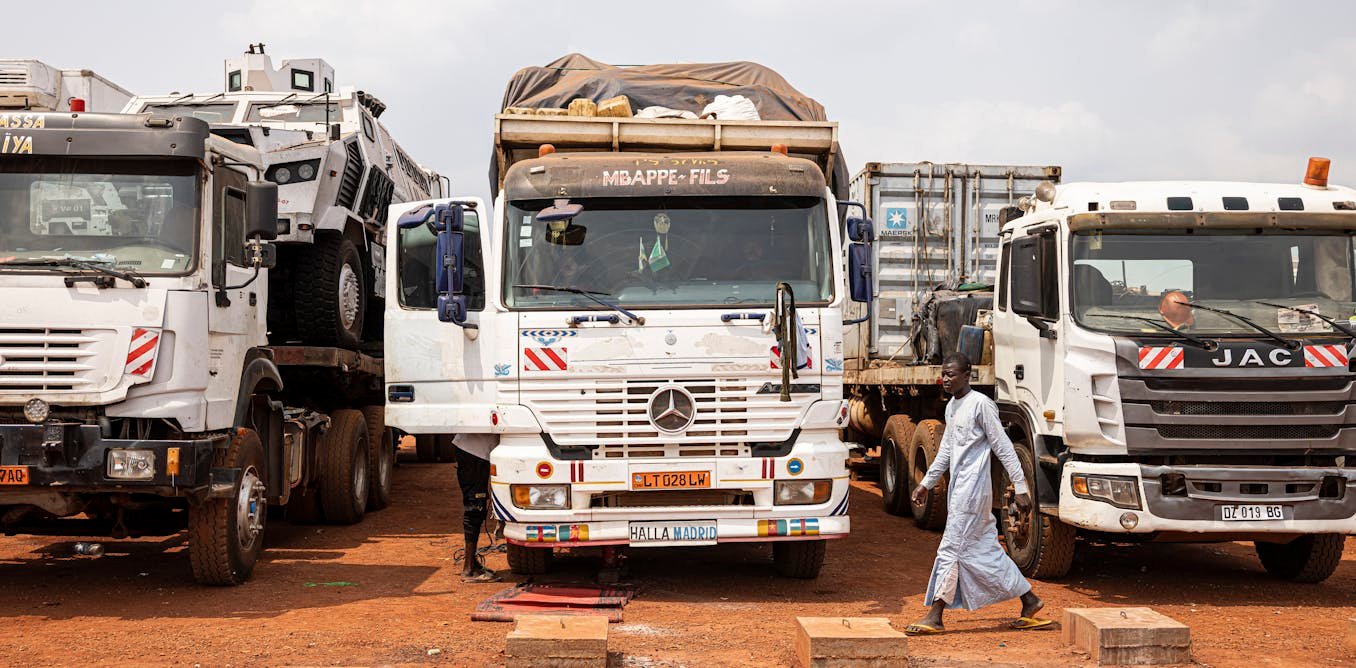
Traveling the roads of Africa comes with many challenges. The main objective is to reach your destination safely. This continent is one of the global road accident hotspots. Despite accounting for less than 4% of the world’s vehicle fleet, road traffic deaths account for about a quarter of the world’s casualties.
The situation in sub-Saharan Africa is particularly dire. This region is more affected by road accidents than any other region in the world. The road death rate of 27 deaths per 100,000 people is three times higher than the European average of 9 and significantly higher than the world average of 18.
Next is Africa’s road infrastructure. Despite recent increases in investment in road development, the quality of roads in many African countries is generally poor. This is evidenced in research reports, World Economic Forum surveys, and the International Monetary Fund’s cross-country road quality rankings.
Accidents and bad roads aren’t the only things that make traveling unpleasant. Another problem is the lack of toilets. If nature calls to you while traveling on the roads of Africa, you will be in deep trouble. When authorities plan roads and transport options, they rarely include access to adequate, safe and clean toilets.
In 2020, public interest lawyer Adrian Kamoto Njenga successfully sued some Kenyan authorities to force them to provide toilets to tourists.
It is not a problem unique to Africa. Similar challenges exist in the US and UK.
The difference is that in these places, researchers are building knowledge about an issue in order to influence and demand support for change.
I am a Senior Research Fellow in Mobility Governance in the Transport Research Unit at the University of Oxford. My research interest is toilet access within mobility systems. In a recent paper, I drew attention to the road safety benefits of toilets.
I argue that providing drivers with reasonable and reliable access to the toilet can provide road safety benefits comparable to enforcing laws against drunk and fatigued driving.
We searched academic databases such as Scopus and reviewed several papers. We found that improving driver access to toilets is a largely unexplored road safety strategy in Africa. However, safe driving can be enhanced by reducing driver distraction and other dangerous driving behaviors that lead to road traffic accidents.
The losses caused by traffic accidents in Africa are enormous. Not long ago, the African Union lamented that it was draining an estimated 2% of its member countries’ GDP annually. To control this problem, we need to invest in a wide range of interventions, including unconventional interventions such as making it easier for drivers to ‘start’ on the road.
Traffic safety benefits of toilets
Driving to go to the bathroom can be a painful experience and extremely distracting. The driver’s attention may be diverted from the road and traffic conditions, putting himself or other road users at risk. Physical urgency can affect your judgment and reaction to dangerous situations.
When distracted and in a heightened sense of urgency, drivers are more likely to become frustrated and speed, drive erratically, or attempt to drive recklessly to get to the nearest place of safety.
Studies have shown that people who are unable to urinate when their bladder is full experience cognitive or attention deficits equivalent to staying awake 24 hours a day.
The cognitive decline associated with an extreme urge to urinate is equivalent to a blood alcohol concentration of 0.05%. This is equivalent to or exceeds Tunisia’s blood alcohol concentration limit (0.05%). Sudan and Mauritania (0%); Morocco (0.02%); Mali (0.03%), Madagascar (0.04%) and other African countries impose taxes on drivers.
All of this makes it clear that driving to go to the bathroom is just as dangerous as driving drunk or fatigued. It also suggests that increasing access to toilets could have road safety benefits comparable to enforcing laws against drunk and fatigued driving.
Toilets should be integrated into road development and transportation systems.
It’s time to invest in restroom access within your mobility system
First, continental governments can build more public toilets. Africa is one of the key locations of global toilet poverty. The World Health Organization says approximately 779 million people on the African continent do not have reasonable and reliable access to adequate, safe and clean toilets. Building more public toilets will help address not only mobility poverty but also general toilet poverty across the continent.
For example, in Ghana, it is refreshing to see private developers investing in rest areas along highways. These social road transport infrastructures serve as places for commuters to relax, access goods and services, and socialize during breaks. There are often toilets that travelers can access for a fee. Governments can explore ways to expand these private provisions and support them to become more affordable.
However, rest areas are often located in the suburbs. Most drivers and other road users operate in cities. If they need to use the restroom while out and about, some drivers and other urban commuters may utilize restroom facilities located at gas stations, hotels, restaurants, banks, coffee shops, hair salons, and other establishments in the city.
Not much is known about their cost, safety, cleanliness, location, or the embarrassment associated with using them. Researchers need to investigate these issues and share their findings with the public.
If more people become aware of this issue, a change in mindset could occur to demand and support better access to toilets as part of mobility policies.
