


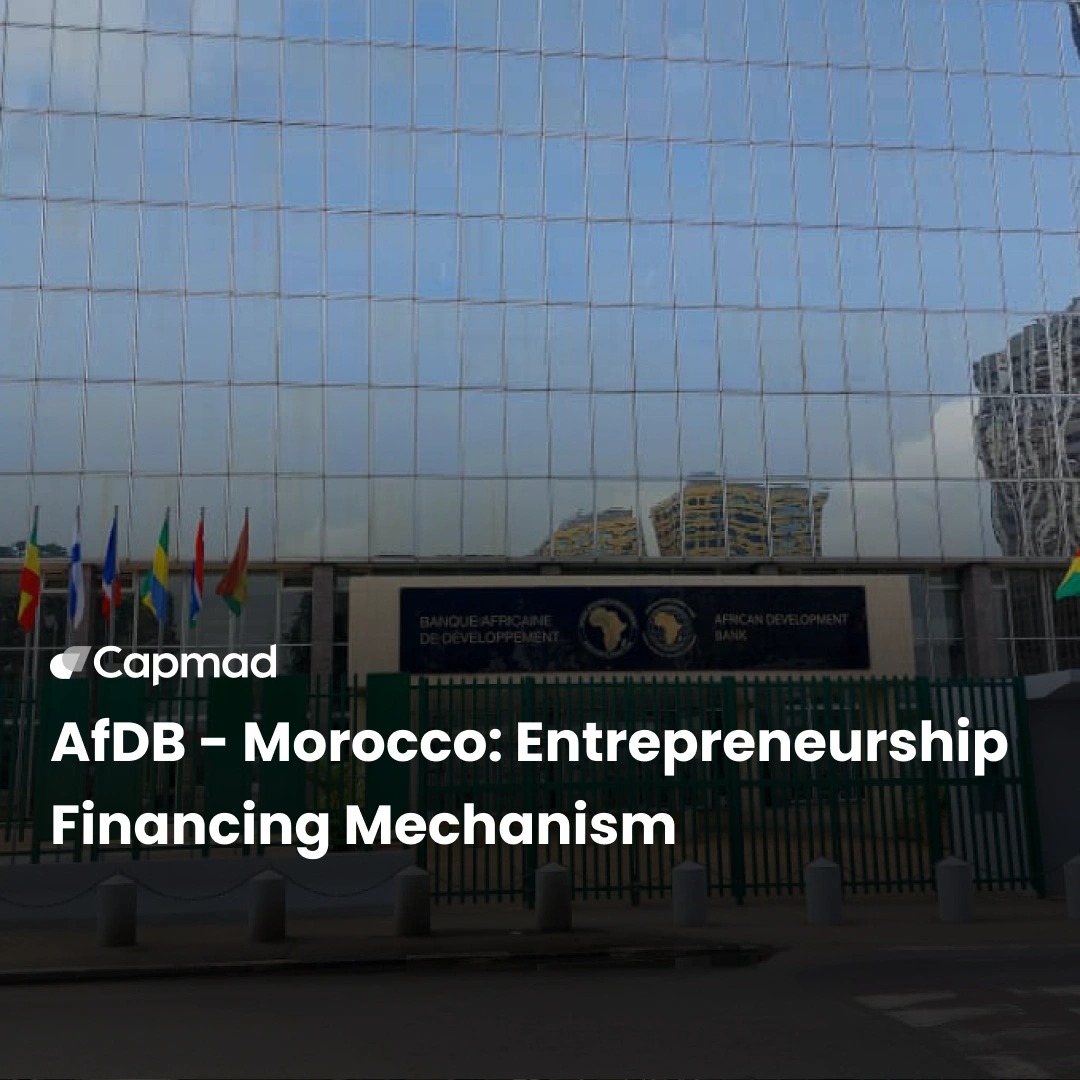
Morocco and the African Development Bank (AfDB) have just launched the Program for Supporting Entrepreneurs and Financing for Job Creation (PAFE-Emplois), an innovative results-oriented financing mechanism aimed at revitalizing small and medium-sized enterprises and creating sustainable jobs. The program, announced at a workshop in Rabat on January 26, 2026, is in line with Morocco’s Employment Roadmap and National Financial Inclusion Strategy, with a particular focus on women entrepreneurs.
Results-based financing for small and medium-sized businesses
PAFE-Emplois is based on a new approach that links financial support (guarantees, subsidies) to concrete job creation targets and measurable economic impact. It targets Micro, Small and Medium Enterprises (MSMEs), which are considered a priority driver of inclusive growth that creates formal employment.
Priority goals:
Strengthen public support mechanisms for entrepreneurs (incubators, coaching, market access). Develop inclusive financing that is accessible to young people, women, and innovative small and medium-sized enterprises. Integrate incentive mechanisms (guarantees, subsidies) for small and medium-sized enterprises with high potential for job creation. Supporting innovative operational approaches (digital, agri-food, green services).
Targeted boost for women entrepreneurs
A specific part of this program is targeted at women entrepreneurs through a grant from the AFAWA (Affirmative Financial Action for African Women) initiative supported by the Women Entrepreneur Finance Initiative (We-Fi). These grants will help women-led projects complete their preparations and attract funding from investors.
Achraf Tarsim (AfDB Morocco) emphasizes that “by linking guarantees and subsidies to job creation targets, this program turns entrepreneurial potential into concrete impact.” Abdeljalil El Hafre, Minister of Finance of Morocco, emphasizes that “SMEs must become central drivers of formal and sustainable job creation.”
A launch workshop that brought together more than 40 stakeholders (national agencies, technology partners, and funders) established clear governance and defined an operational roadmap. The program integrates environmental and social standards to ensure a sustainable and responsible impact.
Key stakeholders involved:
Ministry of Public Policy, Investment, Integration and Evaluation Tamwilcom (Small and Medium Enterprises Guarantee Fund) KfW (German Development Bank) and Islamic Development Bank (IsDB)
Background: Historic AfDB-Morocco partnership
Since 1978, AfDB has invested approximately €15 billion in more than 150 projects across Morocco’s transport, water, energy, agriculture, governance and financial sectors. The PAFE-Jobs program is part of this ongoing commitment and addresses the Crown’s priorities of job creation and economic inclusion.
More than 150 AfDB projects have been funded in Morocco over the past 48 years, covering strategic development areas. The program complements the National Financial Inclusion Strategy and Employment Roadmap and focuses on SMEs as drivers of growth.
Prospects and challenges for 2026
The PAFE-Jobs program is at a pivotal moment. Small and medium-sized enterprises represent 95% of Moroccan businesses, but create only 40% of formal jobs due to limited access to finance and support. The program aims to foster more effective entrepreneurship by linking funding to outcomes: job creation, revenue generation and social impact.
Issues to be addressed:
Measuring the actual impact on employment (monitoring job creation after funding has been provided). We reach rural micro-entrepreneurs and women micro-entrepreneurs who are often excluded from traditional channels. Ensure the sustainability of funded SMEs beyond the initial support period.
The launch, supported by pan-African partners such as the African Development Bank (AfDB), confirms Morocco’s pivotal role as Africa’s entrepreneurial hub. In 2026, the success of the PAFE-Jobs program will be measured by the number of jobs created and small businesses regenerated, turning entrepreneurial potential into tangible economic reality.
