


CNN
—
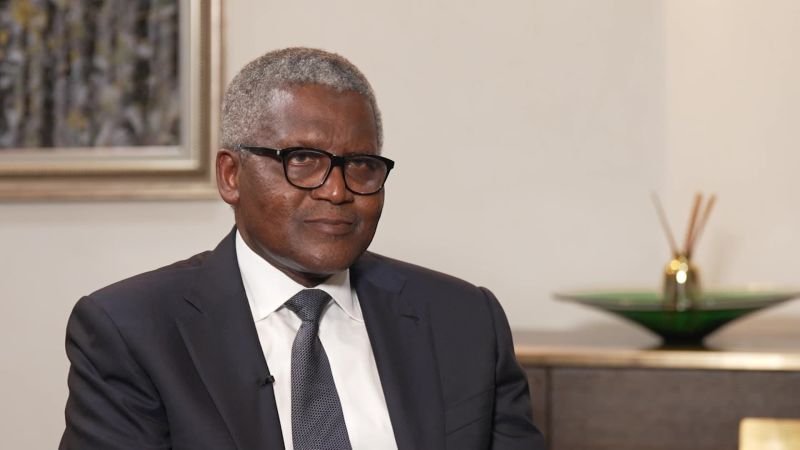
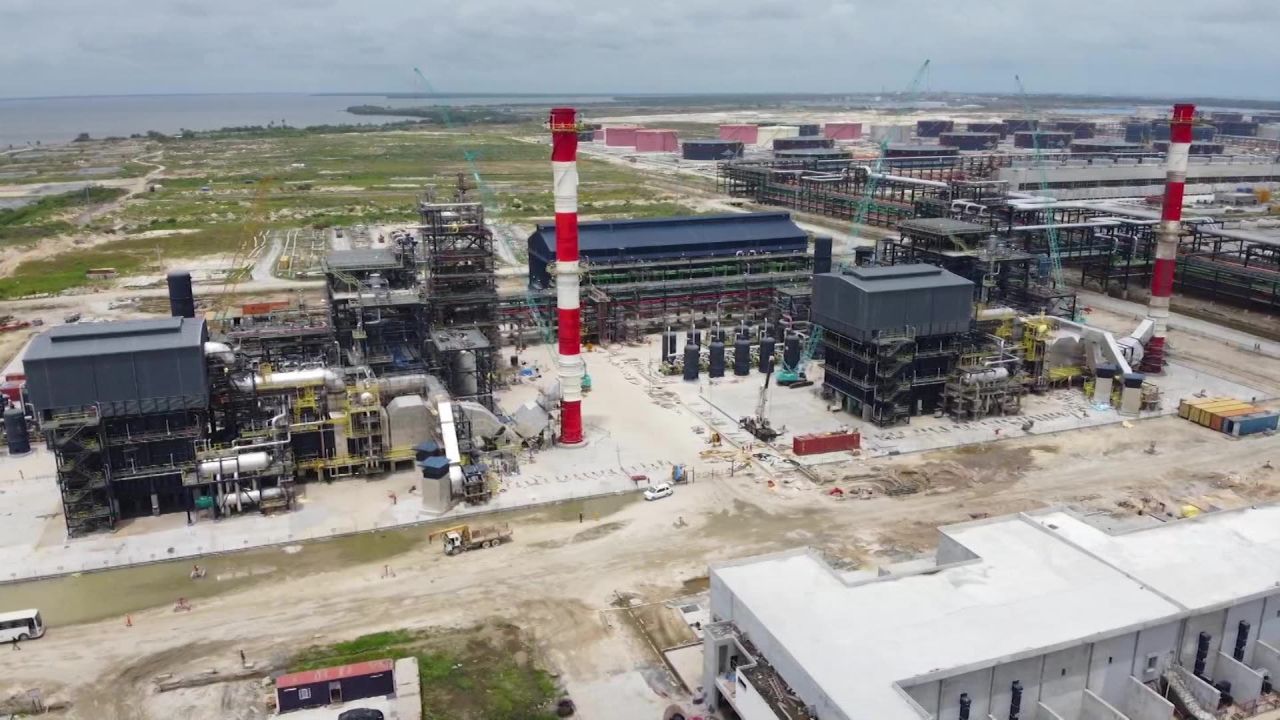
Aliko Dangote, Africa’s richest man, has spent the past eight years building one of the world’s largest oil refineries. Construction of the refinery, which spans approximately 4,000 soccer fields, began in 2016 in the Lekki Free Zone on the outskirts of Lagos, Nigeria, and began operations in May 2023. Once fully operational, the plant will have the capacity to produce 650,000 barrels per day, Dangote’s company said.
Nigeria is one of Africa’s largest oil producers, but lacks the capacity to refine oil, forcing it to rely on imports for fuel. With the opening of the refinery, Dangote Industries, a giant conglomerate that also operates a cement factory, fertilizer factory and sugar refinery, says it aims to process enough oil to not only make Nigeria self-sufficient but also to supply gasoline, diesel and jet fuel to other African countries.
Now that the $19 billion facility has been completed, Dangote stressed that it will take time for local oil producers to wean themselves from dependence on foreign refineries, but that it is a challenge he is confident he can overcome. “I’m not afraid of anything because I’ve been fighting all my life,” he told CNN.
In May, CNN’s Eleni Giokos toured the refinery and spoke to Dangote about what it would take to make this massive project a reality and how it would impact the continent.
The following interview has been edited for length and clarity.
CNN: Do local oil companies or oil producers want to sell you crude oil?
Aliko Dangote: No one expected us to appear in this industry. So, I know there are challenges, and that’s the truth. I have to be open with you all, NNPC (Nigerian National Petroleum Corporation), they have been very helpful. Although they are making their own efforts, some IOCs (International Oil Companies) are having trouble providing us with crude oil. This is because everyone is used to exporting and no one wants to stop exporting. This doesn’t make sense.
CNN: What is the timeline for Nigeria to become completely self-sufficient in producing oil, refining it locally and exporting it?
Dangote: Well, once NNPC brings all its refineries online, Nigeria will become the largest exporter of petroleum products on the continent. It will be the largest not only on the continent, but almost (worldwide), although not as large as India. So let’s talk about Dangote Refinery. 40% of our refined products are sent outside Nigeria. That is, after meeting all of Nigeria’s demands. We will respond 100% to your request. It should be able to fully meet Nigeria’s demand by around June, and since then production has already increased to just over 420,000 barrels per day. So if we continue to increase, I think we should be at about 550,000 barrels a day by July and August. It will probably be around 650,000 by the end of the year.
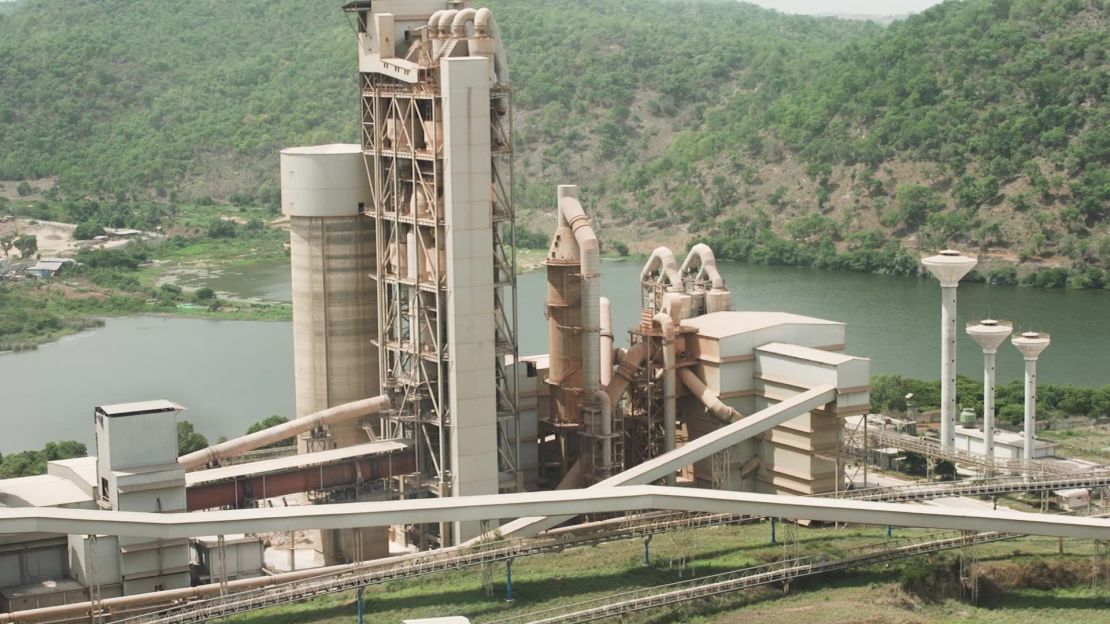
CNN: In addition to building the refinery, it also built a cement manufacturing plant, making it one of the largest cement producers in sub-Saharan Africa. Was it economically reasonable at the time to build a cement plant to compete effectively with imported cement prices?
Dangote: We are also an importer and there was a huge demand for cement, so there were no major challenges. So what we actually did was continue trading by building capacity. When we started our business, our first factory had a production capacity of 5 million tonnes and the total production in Nigeria at that time was 2.1 million tonnes. But we proceeded very aggressively. They invested money, risked capital, and made the country self-sufficient.
CNN: I’ve heard you talk a lot about the African Continental Free Trade Area (AfCFTA) and whether it’s possible. You have experience with cross-border trade and certain parts of the continent are having problems getting cement across borders, what is going on?
Mr Dangote: AfCFTA will be very beneficial. If you think about benefits, we’re almost in the top five in terms of benefiting from free trade agreements. But I don’t see any improvement (yet). That’s true. This is because there are 3 million tons of urea (a type of fertilizer) exported to African countries. Too much for Nigerian consumption. We have oil projects that we export. We also have cement for export. So what makes sense is to make free trade agreements work.
For us to get over that hurdle, we need all regional markets to work, as trade between us (African countries) is too low at only about 16%. We must eliminate visa requirements. Free movement of people, goods and services must be allowed. That would make AfCFTA work, but without it it would be nearly impossible. I mean, look today, I’m going to Egypt tomorrow and I need a visa. They said yes, okay, fine, if I have an American (passport) they will give me a visa on arrival. They look down on me for being African because I have an African passport. So how do I trade if you won’t let me into your country?
A rare tour inside Africa’s largest oil refinery
CNN: So how are imports impacting industrialization and local growth in value chains?
Dangote: Well, if we continue to import, it will actually destroy industrialization in Africa. The more we import, the more poverty flows into the continent and the more jobs we export. Because no matter where you import it from, you’re encouraging them to keep expanding. When a company expands, it hires more people and gives them more jobs. But here, the small jobs we need to create destroy it. So I don’t really like imported products.
I am a big fan of industrialization and Africa can be industrialized, but only we Africans can industrialize Africa. No one is coming and doing it for us. We have to have good policy, we have to have consistency in that policy, and we also have to make sure that the investment climate is good.
