


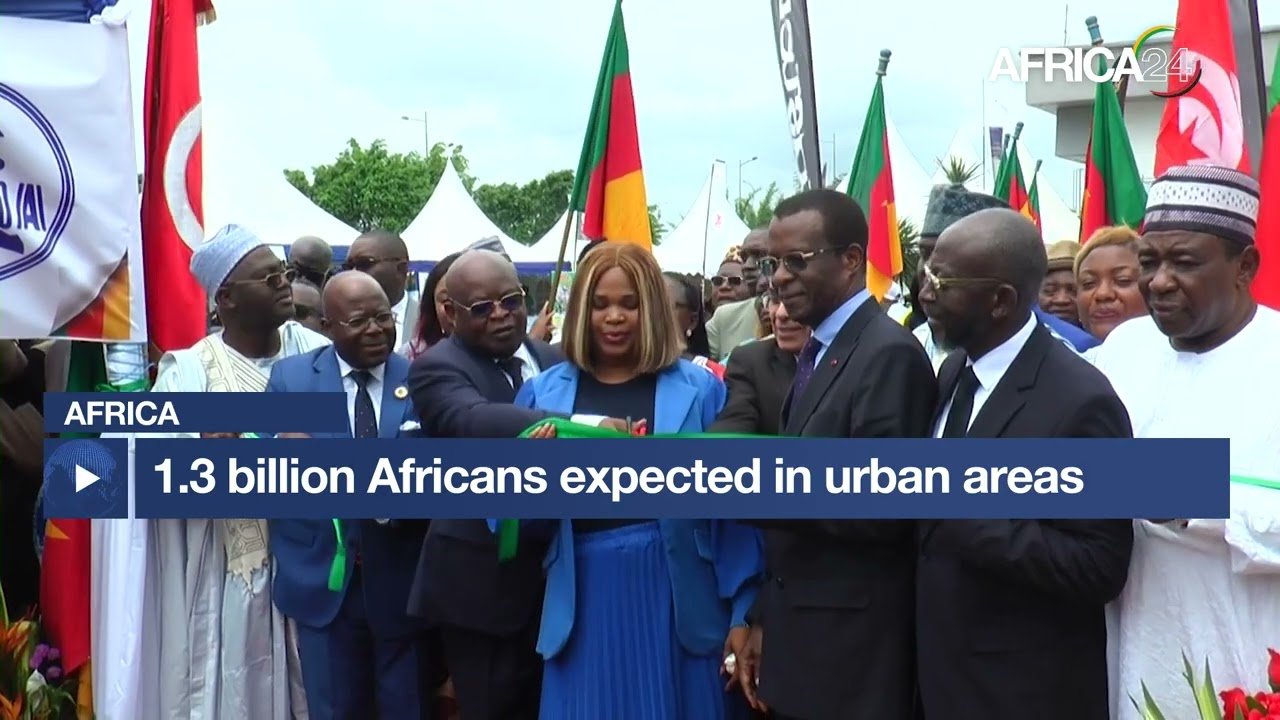
The construction and public works industry (BTP) is one of the main drivers of growth in Africa, accounting for almost 6.7% of the continent’s GDP. However, despite rapid urbanization, with more than 1.3 billion Africans expected to live in cities by 2050, the sector is struggling to meet infrastructure and housing needs. Faced with challenges such as funding constraints, rising material costs, and a lack of innovation, industry players are searching for solutions. In this context, the African Architecture and Related Trades Exhibition 2025 stands out as a strategic platform to redefine the sector’s agenda.
The construction and public works sector (BTP) has become a pillar of economic development in Africa, driven by rapid urbanization and increasing demand for modern infrastructure. But lack of funding and lack of innovation are slowing expansion on the continent, where 1.3 billion people are expected to live in urban areas by 2050. Since April 1, the 2025 edition of the African Architecture and Allied Trades Exhibition has brought together decision makers, experts and investors in Douala, Cameroon to reimagine solutions tailored to the continent’s urbanization challenges.
Architecture, and more broadly the construction and public works sector (BTP), contributes to the well-being of city residents. To achieve this, we need to have trusted partners to inform citizens and ensure sustainable construction. That is where the chamber of commerce usually searches for foreign partners to establish joint ventures with Cameroonian partners. This is what we are doing with Tunisia, which has made great progress in this area. ”
Christophe Eken, President of the Cameroon Chamber of Commerce and Industry
Innovation and regional cooperation are emerging as essential drivers to address these challenges. Countries like Tunisia have already introduced advanced technologies such as 3D printing, which reduces construction costs by 30%. Cameroon relies on public-private partnerships, which currently finance more than 25% of major infrastructure projects. AfCFTA expansion could increase intra-African trade in the construction and public works sector (BTP) by 52% by 2040, paving the way for stronger market integration.
Public-private partnerships are initiatives we encourage. We have a number of partners who are supporting us on various major projects, including Tunisia, where we are currently here. Whether it’s road projects or the construction of social housing, we actively promote this form of partnership. Because, as you know, the state alone cannot fully assume all the responsibilities expected of it.
Maturin Na, Secretary General of the Ministry of Housing – Cameroon
With urbanization progressing twice as fast as the global average, Africa is being forced to rethink its approach to the construction and public works sector (BTP). Between structural challenges and economic opportunities, transforming the sector will require increased local industrialization, adequate financing, and large-scale integration of new technologies. Afribat 2025 embodies this dynamic as a hub for decision makers, industry leaders, and investors to shape tomorrow’s infrastructure. Africa doesn’t just build. It must lay the foundations for a solid and sustainable future.
