


Independent power company EDF Power Solutions aims to increase its controlled renewable energy capacity in Africa fivefold between 2024 and the end of 2026.
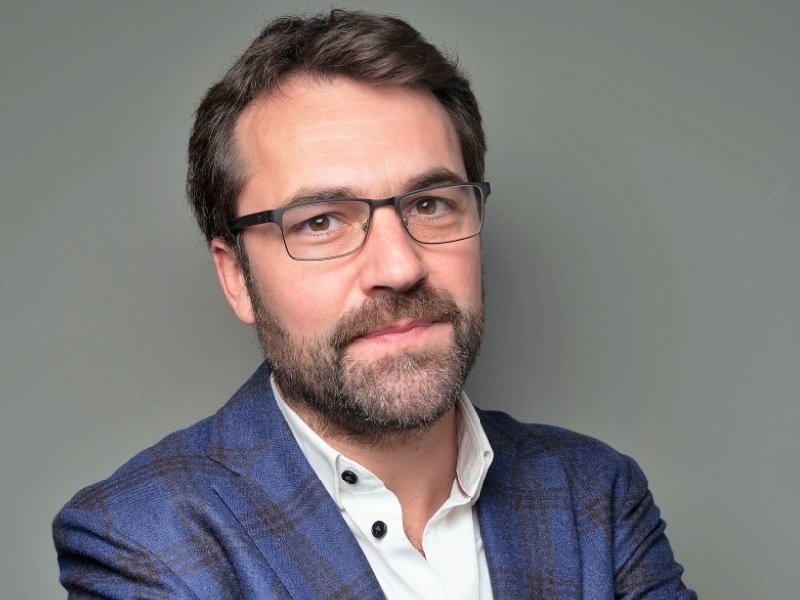
Kevin Minkoff, chief development officer for EDF power solutions in South Africa, said in an interview with Energy Capital & Power that the company aims to expand its renewable energy capacity in Africa from 0.4GW in 2024 to more than 3GW by the end of 2026, with 1.5GW currently under construction in 11 locations in South Africa alone.
“The 420MW Corson 1 cluster has been successfully commissioned. The second phase, Corson 2, totaling 520MW and including the Moi Platu solar farm, Umsobonvu wind farm and Hartbeest Hook wind farm, is now nearing completion,” Mr Minkoff said. The project will be developed through Envousa Energy, a joint venture with mining company Anglo American, and will provide power to the mining operations.
EDF Power Solutions is also building the Umoyilanga project, which combines 115 MW of solar power, 63 MW of wind power and 75 MW of battery storage into a virtual plant spread over 900 km.
“This approach is designed to provide reliable, on-demand electricity, which is expected to become increasingly important as variable renewable energy sources grow in South Africa. Wholesale markets aim to strengthen the grid’s ability to balance supply and demand, and projects like this are central to achieving that ability,” Minkoff added.
IPP is also pursuing the Oasis 1 battery energy storage project in the Northern Cape, which consists of three utility-scale facilities with a total storage capacity of 257 MW and 1,028 MWh. Additionally, the company is preparing to close on Oasis 2, which will provide 308 MWh of energy storage capacity.
Regarding the challenges facing IPPs, Minkoff said the main challenge is the need to reconfigure the power grid as transmission lines and substations can no longer support the new generation due to the increased penetration of renewable energy.
“South Africa’s National Transmission Company is pushing ahead with strengthening the electricity grid, and the private sector is invited to participate through the Independent Transmission Programme. EDF Power Solutions has been shortlisted as one of seven entities, with tenders expected this year and construction expected to begin in 2027,” he said.
Other challenges include gaps in policy implementation and the construction sector’s inability to keep up with the rapidly growing energy sector.
“Policies and market vision are in place, but institutions need to be strengthened to accelerate investment. The construction sector has been in decline over the past decade and requires long-term investment in skills and balance sheet strength,” Minkoff added.
As South Africa aims to increase the share of renewable energy in its energy mix to 40% by 2030, Mr Minkoff emphasized the importance of investing in SMEs, building skills and enabling large construction companies to restructure to meet the demands of the growing renewable energy market and its associated infrastructure.
