


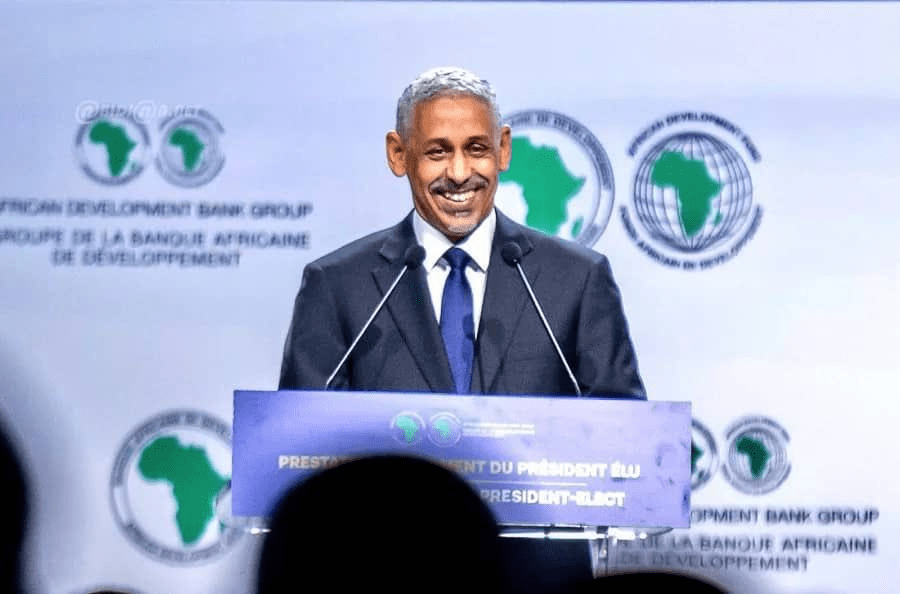
The African Development Bank (AfDB) has secured a record $11 billion replenishment to its concessional lending arm, highlighting Africa’s growing ability to mobilize alternative global support, as the United States retreats from what the Trump administration has dismissed as “woke” development priorities.
This funding, raised despite a significant reduction in U.S. contributions, is supported by stronger commitments from European countries and African member states, and signals a strategic shift in the continent’s development finance landscape. The funding success highlights both the resilience within Africa’s multilateral institutions and the gradual rebalancing of influence away from Washington.
The AfDB’s concessional arm, the African Development Fund (ADF), provides low-interest loans and subsidies to the continent’s poorest countries to finance projects in energy, agriculture, transport, health and climate adaptation. Historically, the United States has been one of the largest contributors to this fund. But under President Donald Trump’s “America First” policy, the U.S. government has scaled back support to multilateral development agencies, arguing that U.S. taxpayers should not fund programs related to climate change policy, gender equality, and governance reform.
Despite the pullback, the AfDB outperformed expectations. European donors, including Germany, France, the UK and the Nordic countries, stepped up their commitments, while African countries increased their own contributions and reinforced messages of shared responsibility and ownership of the continent.
AfDB President Akinwumi Adesina described the results as a “vote of confidence in Africa’s future,” noting that demand for development finance remains high as countries face debt pressures, climate shocks, infrastructure shortages and rapid population growth.
“This replenishment will ensure that Africa’s most vulnerable economies are not abandoned in a time of global uncertainty,” Adesina said, adding that the bank will continue to prioritize food security, energy access, industrialization and climate resilience.
Analysts say the record funding also reflects growing anxiety in Europe and Africa about the geopolitical implications of U.S. disengagement. As China, Gulf states, and regional financial institutions expand their footprint on the continent, Western allies are keen to maintain influence through multilateral channels that promote transparency and long-term development.
At the same time, the increased contribution from Africa is seen as a milestone. Although still modest compared to donor funding, this signals a move towards greater independence and credibility, giving Africa a stronger voice in setting priorities, rather than simply receiving them.
However, challenges still remain. The Bank faces increasing demands as more countries enter debt crises and climate-related disasters intensify. Some economists warn that without sustainable and predictable financing, concessional finance may struggle to meet Africa’s needs.
Still, the $11 billion raise sends a clear signal that Africa’s development agenda is far from stalled, even if Washington backs down. Instead, it is being reshaped, with European and African countries increasingly poised to close the gap and shoulder the weight of the continent’s future themselves.
