


Published February 3, 2026
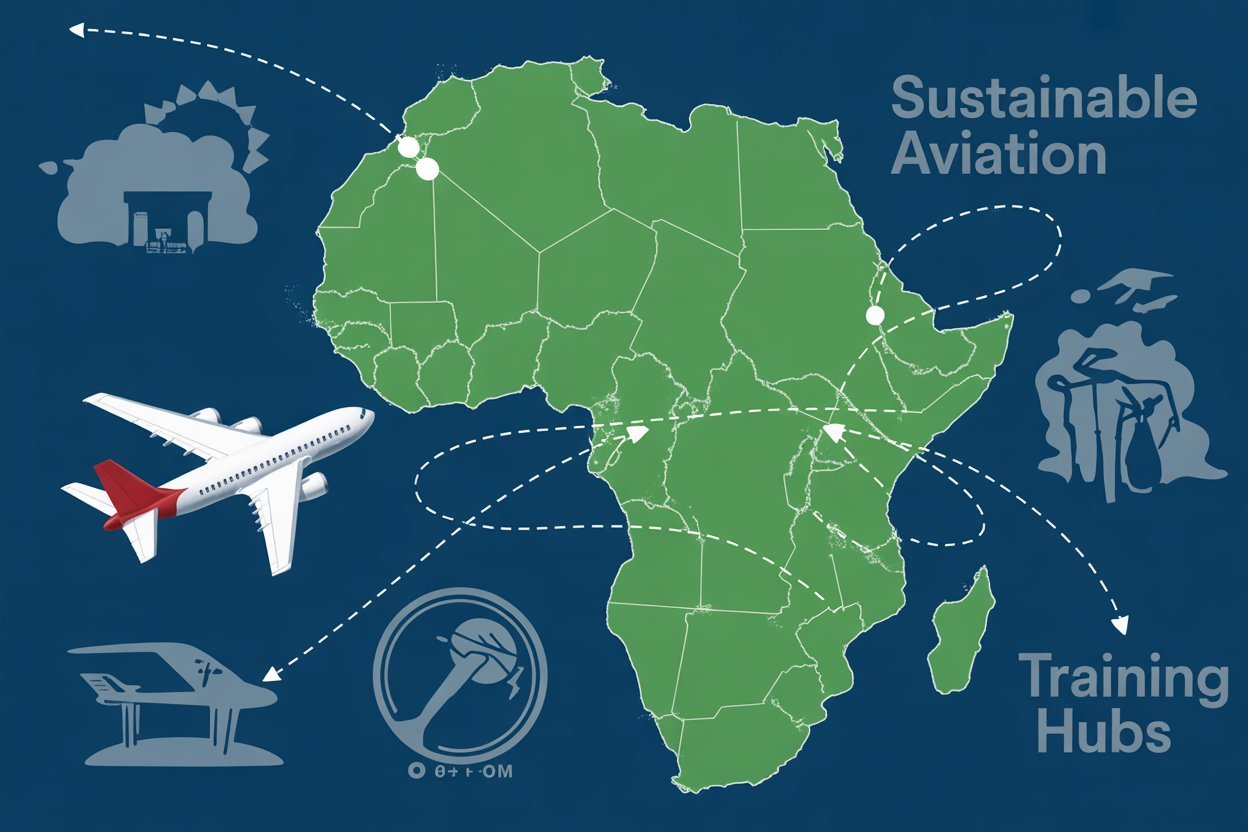
The African Development Bank Group (AfDB) and Air Ivory Coast have signed a letter of intent (LOI) aimed at strengthening Africa’s aviation sector through collaborative efforts on airline financing, technical skills development and sustainability initiatives. The partnership, which was officially signed in Abidjan on January 23, 2026, will explore financing solutions to help African airlines acquire modern aircraft, expand pilot and technician training programs, and support infrastructure such as maintenance, repair and overhaul (MRO) facilities. The initiative aligns with key continental frameworks such as the Single African Air Transport Market (SAATM) and the African Continental Free Trade Area (AfCFTA) to foster regional integration and improved air connectivity across Africa.
Introduction: Strategic Aviation Partnership for Africa
In a significant move for Africa’s air travel and transport infrastructure, the African Development Bank (AfDB) and Air Cote d’Ivoire (ACDI) have agreed to explore a strategic partnership aimed at improving the continent’s aviation ecosystem. The Letter of Intent (LOI), signed in Abidjan, Ivory Coast, on January 23, 2026, highlights the shared goals of strengthening airline financing frameworks, developing aviation technical skills and promoting sustainability, including opportunities related to sustainable aviation fuels (SAF). This cooperation is aligned with broader African Union development visions such as the AfDB’s Integrated Aviation Transformation Program (IATP) and Agenda 2063, which highlight aviation as a key driver of economic growth, trade and tourism connectivity across Africa.
Contents of the AfDB-ACDI Agreement
The LOI between AfDB and Air Ivory Coast outlines the joint exploration of strategic aviation initiatives. These include building and mobilizing financing solutions to help African airlines obtain affordable aircraft and update their fleets. The partnership also aims to expand pilot and technical training programs and establish a West African aviation training center for pilots, engineers and mechanics. This is an important step in building skilled capacity within the region. Sustainability will be a key focus area, with both partners evaluating opportunities in sustainable aviation fuel (SAF) and other green aviation technologies. This comprehensive approach aims to improve operational resilience, economic growth and air transport connectivity across the continent.
Collaboration with the Continental Integration Initiative
The partnership strengthens Africa’s key aviation and economic integration frameworks, including the Single African Air Transport Market (SAATM), which aims to liberalize aviation services and improve connectivity within Africa, and the African Continental Free Trade Area (AfCFTA), which aims to foster economic exchanges among 54 African countries. AfDB’s 10-year strategy (2024-2033) also supports this partnership by prioritizing infrastructure, connectivity, and capacity building to foster regional growth and competitiveness. The cooperation between AfDB and ACDI in line with these continental goals is expected to strengthen the regulatory framework and enable airlines to compete more effectively on a level playing field, thereby enhancing travel choice and mobility for business and leisure travelers alike across Africa.
Travel benefits for passengers
For travelers, including business professionals, tourists, and diaspora visitors, the AfDB-ACDI agreement promises meaningful improvements in air connectivity and airline reliability across Africa. By facilitating aircraft acquisition financing solutions, we can bring more modern, more fuel-efficient aircraft into service on previously underserved routes, reduce travel times, and increase flight frequency. By expanding training programs for pilots and mechanics, we will support safer and more reliable operations. The construction of an aviation training center in West Africa, if possible, would help develop a skilled workforce and allow airlines to expand and expand their routes between the regions. Additionally, sustainability ventures like SAF exploration can help reduce carbon emissions and make air travel greener for environmentally conscious passengers.
Disadvantages and challenges of traveling
Despite the promising outlook, travelers may still face hurdles. Transforming aviation infrastructure and financial solutions is likely to be a multi-year process, and improvements to travel may not be immediately felt in the short term. Financing constraints and regulatory reform may delay aircraft acquisition and route expansion, particularly in less developed markets. Training center development and SAF efforts require significant investment and coordination, which may delay expected effects. Passengers also need to prepare for the possibility of higher initial costs if airlines pass on financing costs to fares before economies of scale are realized. Finally, harmonizing regulatory frameworks across African countries remains a complex challenge that could impact seamless air travel.
advertisement
advertisement
Broader impact on Africa’s aviation industry (100 words)
This partnership between AfDB and Air Ivory Coast is a landmark step in the modernization of African aviation. By prioritizing affordable financing, skills development and sustainability, the partnership will open new opportunities for regional airlines, accelerate fleet renewal and attract foreign investment into Africa’s air transport sector. Improved connectivity supports tourism, business connectivity and intracontinental mobility, which are central to economic growth and job creation. It will also strengthen Africa’s competitiveness in the global aviation market, where growth has historically been limited by infrastructure and skilled workforce constraints. If fully realized, this strategy has the potential to foster a more connected, resilient and inclusive aviation ecosystem across the continent.
Conclusion: aviation integration and traveler trust
The strategic cooperation between the African Development Bank and Air Ivory Coast comes at a pivotal moment for Africa’s aviation sector. The partnership is poised to improve connectivity, build capacity and support Africa’s integration into global travel networks through a shared commitment to financing, skills development and sustainability. For travelers, these initiatives portend a future with more route options, more reliable airlines, and stronger safety standards. Although implementation will require time and tailored reforms, the long-term benefits, including greater access, economic integration, and greener travel, underscore Africa’s development agenda and the role of aviation as a cornerstone of the travel ecosystem.
advertisement
advertisement

