


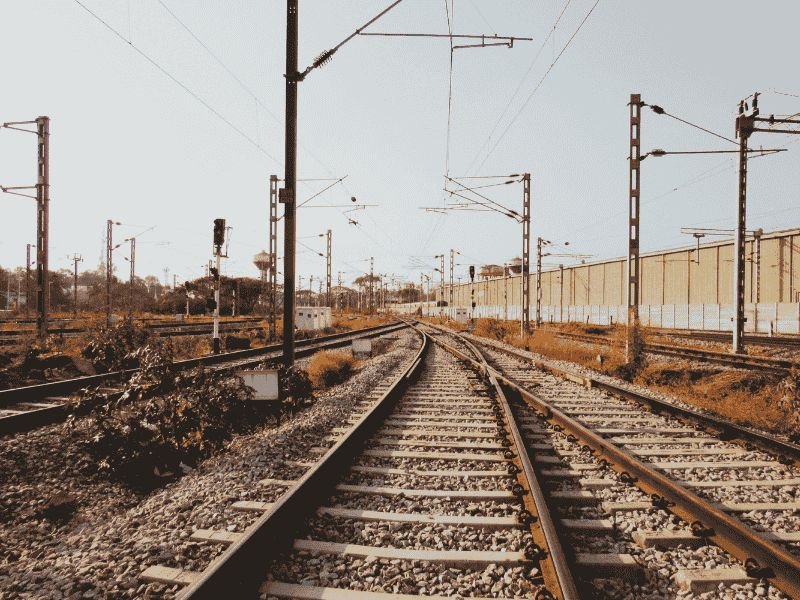
Transnet Rail Infrastructure Manager (TRIM), a subsidiary of national logistics operator Transnet, has issued a request for proposals (RFP) seeking private sector participation for three railway siding facilities in South Africa’s eastern and central regions. The move is aimed at supporting efforts to expand rail transport capacity for goods such as coal and iron ore, as the country mobilizes R2 trillion to open up its vital minerals sector.
The RFP is in line with the country’s efforts to strengthen logistics infrastructure under frameworks such as the National Railway Policy 2022, the Freight Logistics Roadmap 2023 and the Medium-Term Development Plan. Speaking in Johannesburg in mid-March, South African President Cyril Ramaphosa noted that South Africa’s 69% reliance on road freight contributes to delays, capacity constraints and safety risks.
Logistics review is accelerating
In his speech, the President said reforms in the transport sector would address the economic losses caused by inefficiencies in the logistics system, estimated at R1 billion per day. “So far, train slots covering 24 million tonnes per year have been conditionally granted to 11 rail operators. We hope that the first private operator will start operations in April 2027,” he said.
The country aims to transport 250 million tons of cargo by rail by 2029, up from 160 million tons in 2025 (up 5.5% from the previous year).
According to the President, modernizing South Africa’s ports is a strategic priority for the country as more than 90% of its trade takes place by sea. President Ramaphosa said strengthening port infrastructure could ensure additional shipping in the event of global shipping disruptions.
“The current conflict in the Middle East has put a spotlight on our ports and their strategic value. South Africa has an opportunity to position itself as an alternative hub when key shipping routes are disrupted,” he said.
The Government also views domestic shipping as critical to the development of the African Continental Free Trade Area and strengthening regional trade integration.
High-speed rail plan progresses
South Africa is expanding passenger rail services as part of its national transport strategy. The South African Passenger Rail Authority has restored 37 of its 40 priority passenger rail routes and introduced more than 300 locally manufactured train sets. The country is also targeting 116 million passenger trips in 2026, with a long-term goal of 600 million passenger trips by 2029.
In his State of the Union address in mid-February, President Ramaphosa announced preparations for the introduction of high-speed rail, which would cover major routes such as Johannesburg to Msina and eThekwini to Johannesburg. “When we asked for information last year, nearly 30 companies expressed interest in joining the high-speed rail line.”
President Ramaphosa has also proposed the creation of a Transport Council to coordinate aviation development across Africa and strengthen regional connectivity. South Africa’s efforts to increase private sector participation in the logistics industry are consistent with the Single African Air Transport Market, which aims to liberalize the continent’s airspace.
“The AU’s Single African Air Transport Market envisions a deregulated and liberalized airspace that will enable better connectivity between African countries. Flights that should take four hours should not take 18 hours,” President Ramaphosa reiterated.
