



On the evening of December 4, as Nairobi inched closer to the holiday season, Dusit Princess Hotel Nairobi hosted a corporate dinner to thank our long-time partners who have used the hotel for conferences, meetings and executive meetings over the years. It was a well-known year-end ritual. Networking, conversation, formal thank yous. However, near the center of the room, there was something that subverted his expectations. It was a Christmas tree made entirely from recycled plastic bottles.
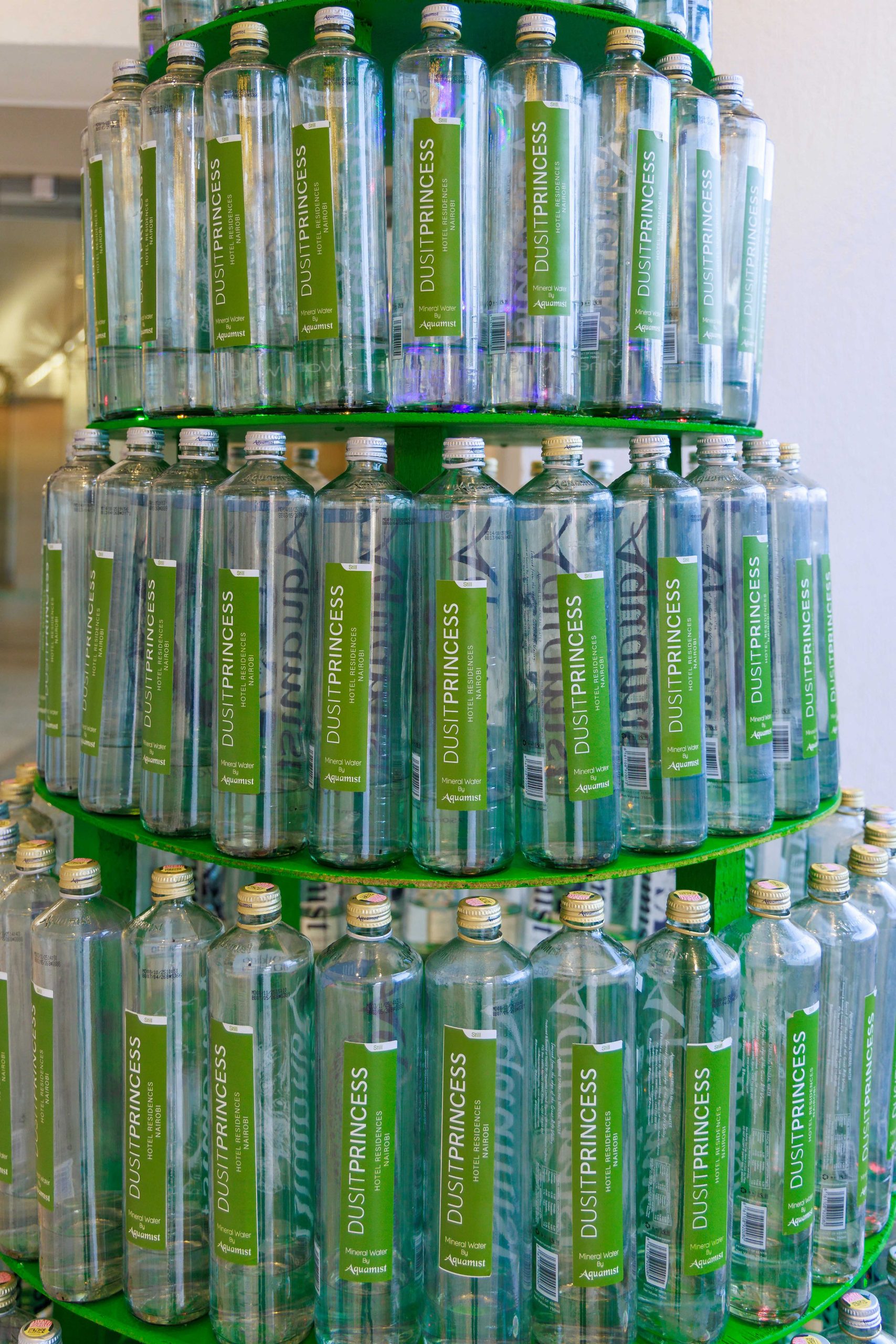
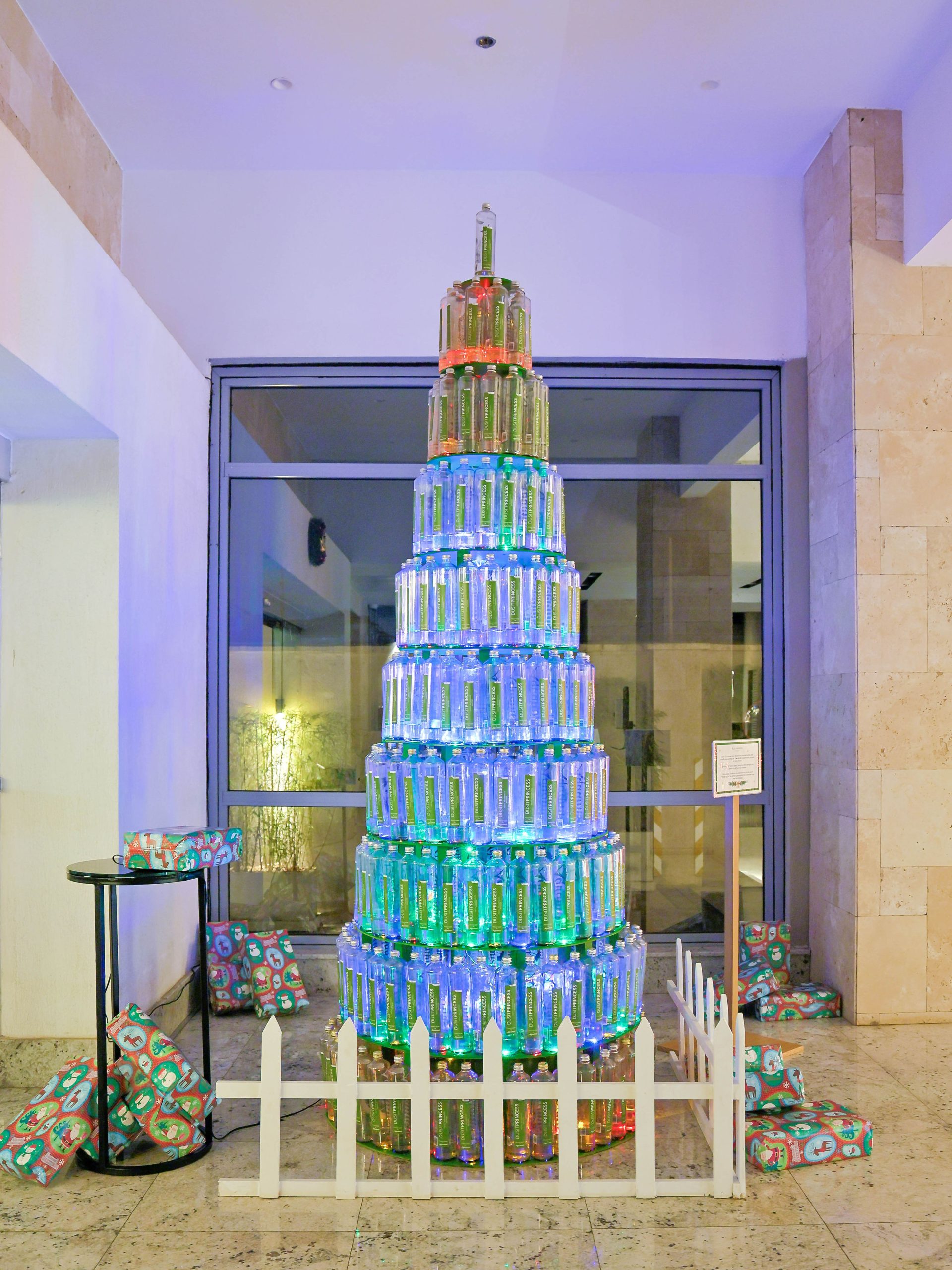
Modest in size and unassuming in appearance, the tree forms part of Dusit Hotels’ Tree of Life sustainability program, which focuses on waste reduction, resource efficiency and environmental awareness in the hotel’s daily operations. In an industry plagued by over-the-top imagery, this choice felt more intentional than decorative.
Related article: Focus on AFCON 2025: How Africa’s biggest football tournament is redefining sustainability, infrastructure and public value
Earlier this year, Impact Africa Consulting Limited chose the Dusit Princess Hotel to host a three-day high-level fundraising training for non-profit organizations in Africa. This decision was not symbolic, but based on practical needs. Participants came from across the continent and included CEOs, directors, resource mobilization experts, project managers, and corporate leaders. What was important was ease of access, reliable service, functional meeting facilities, and accommodations that allowed participants to easily move between sessions, take breaks, and socialize informally. The hotel met these requirements without complications.
Only later did deeper coherence become apparent. Although sustainability was never announced as a training theme, it was present throughout the experience. Single-use plastics have been replaced with reusable bottles. Separation of waste was observed. Energy usage has been reduced without affecting comfort. These measures themselves did not attract attention or disrupt the program. they just worked.
By the time Impact Africa’s communications team returned to the December dinner, recycled bottle Christmas trees felt less like a novelty and more like a continuation of an established approach.

It is this ordinariness that gives this gesture its weight. The United Nations Environment Program estimates that tourism contributes to about 8% of global greenhouse gas emissions, with accommodation and food services being the largest source.
Hotels generate large amounts of plastic waste, especially during busy and festive seasons when decorations, packaging and single-use materials increase. Given this background, repurposing bottles for seasonal decoration is more than just a symbolic flourish. It is about visualizing the sustainability of operations.
Across Africa, similar practices are emerging, often without fanfare. In Rwanda, several hotels in Kigali have completely eliminated single-use plastics following the country’s nationwide ban. Properties such as Kigali Serena Hotel have invested in refillable glass water systems and in-house bottling to reduce waste while maintaining international service standards.
Also read: Kenya Redesigns National Tourism Strategy to Link Wildlife Conservation, Sustainability and Business Travel
In South Africa, some hotels in Cape Town are now incorporating recycled materials into their interiors and seasonal displays, in line with the city’s broader circular economy goals. In Morocco, ecolodges in the Atlas Mountains use locally sourced and repurposed materials as part of their architectural identity, attracting travelers drawn to low-impact tourism.
What unites these examples is an understanding of sustainability as a design and operational choice, not just a certification exam. The Christmas tree at Dusit Princess Hotel fits this idea perfectly. Communicate values without instructions or signs.

Such signals are important for international travelers, many of whom are increasingly aware of the environmental costs of travel. Research by the World Tourism Organization shows that sustainability practices influence destination choices, especially among business travelers and young tourists. Hotels that demonstrate reliable environmental responsibility are more likely to receive repeat business, conferences, and extended stays.
The impact extends beyond reputation to investment. Sustainable tourism is no longer a niche market. The International Finance Corporation notes that demand for green hotels is growing faster than the broader hospitality sector in emerging economies.
Investors are paying close attention to energy efficiency, waste management, water use, and governance. Hotels that incorporate these principles into their daily operations, not just their glossy sustainability reports, reduce risk and enhance long-term value.
Kenya’s hospitality industry is well placed to benefit from this change, but progress will depend on moving beyond isolated instances. Government has a role to play. Ministries of Tourism, Environment and Trade can accelerate adoption by integrating sustainability benchmarks into hotel classification systems, providing incentives for waste reduction infrastructure and supporting local supply chains for reusable and recycled materials.

Countries like Mauritius are beginning to link hotel licensing with environmental compliance, and Kenya’s own sustainable tourism strategy provides a policy framework that can be applied more consistently.
The Dusit Princess example suggests that regulation does not necessarily have to be coercive. Visibility and consistency are often more important. When guests experience sustainability first-hand through the objects they encounter, the water they drink, and the spaces they occupy, it becomes part of the hotel’s identity. For facilities serving domestic and international customers, this is reputational capital that is difficult to manufacture.
Also read: How Tanzania is leveraging nature-based solutions to secure the future of its tourism industry
A Christmas tree made of recycled bottles will eventually fall over. The Obon season is coming to an end. What remains are the lessons built into its design. Sustainability doesn’t always require scale or spectacle. Making responsible choices visible can take intention, repetition, and confidence.
These choices are no longer optional for Africa’s hospitality industry as it navigates an increasingly environmentally demanding and competitive global market. They are a signal that you are ready for the future.
In that sense, the tree at Dusit Princess Hotel was more than just a seasonal decoration. It was a quiet indicator of where sustainable tourism on the continent is heading and how small, practical decisions can begin to reshape the industry’s relationship with the planet.
Connect with us on LinkedIn: Sustainability in Africa matters
