


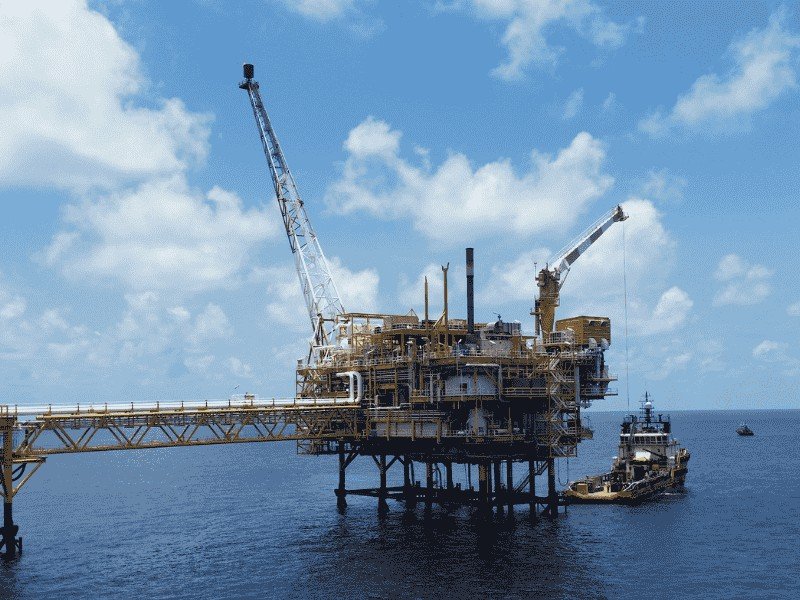
The Calao South discovery is estimated to have uncovered 5 trillion cubic feet of gas and 450 million barrels of condensate.
Subsea tiebacks have a capital intensity of $8 to $12 per barrel, compared to $4 to $6 per barrel for standalone platforms.
Baleine infrastructure integration allows for 18-24 month development timelines.
Italian energy giant Eni has made a significant gas and condensate discovery at the Mourene South-1X exploration well in block CI-501 offshore Ivory Coast, confirming the commercial potential of the Callao Strait complex with an estimated volume of up to 5 trillion cubic feet (tcf) of gas and 450 million barrels of condensate. The discovery south of Callao is the second largest discovery in Ivory Coast, after the Balaine field. The country is positioning the West African country as an emerging gas hub with growing domestic energy demand and export opportunities.
Baleine Tieback offers a fast development path
The discovery’s proximity to Eni’s producing Balaine field presents an attractive tieback opportunity. Balein is currently producing more than 62,000 barrels of oil and 75 million cubic feet of gas per day through Phases 1 and 2, and with the expansion of Phase 3, production is expected to reach 150,000 barrels of oil and 200 million cubic feet of gas by 2027. Industry benchmarks indicate that deepwater subsea tiebacks in West Africa would be capital intensive between $4 and $6 per barrel using existing infrastructure. $8 to $12 per barrel for standalone platforms. Partnering with Baleine Infrastructure could shorten development timelines to 18-24 months from final investment decision.
deep sea development
With Calao South, Eni is building on the momentum of several successful projects and recent discoveries. The Coral Sur FLNG project in Mozambique and the New Gas consortium project in Angola are delivering 350 million cubic feet of gas daily and demonstrate the proven development model of the Italian giant. Eni’s recent Algaita-1 discovery in Angola’s Block 15/06 (estimated at 500 million barrels of oil) further demonstrated the company’s ability to rapidly advance deepwater projects. It also received a majority vote of operational confidence from the United States, granting Eni, along with four other majors, exclusive operational rights in Venezuela.
The scale of Southern Calao could warrant standalone development via an FPSO or gas processing platform if drill stem testing confirms a full 5 tcf resource base. On the cost side, comparable deepwater projects in West Africa, such as BP’s Greater Tortu Ahmeim Stage 2 LNG expansion, carry an estimated $3 billion to $5 billion price tag, while Ghana’s $1.5 billion Pekan field development is targeting 82,000 barrels of oil per day using a phased FPSO deployment.
Portfolio risk aversion opens up farm-in opportunities
The Calao discovery de-risks exploration across Eni’s extensive Ivory Coast portfolio, which includes six blocks in partnership with state-run Petrosi Holding. By demonstrating the abundance of commercial hydrocarbons in high-quality Cenomanian sands at multiple locations, this discovery reduces geological uncertainties across adjacent lands and validates exploration concepts for the entire channel system. This reduced risk profile makes subsequent exploration wells more attractive to potential investors, lowering the cost of capital for future development and potentially attracting farm-in interest from international oil companies and mid-sized producers seeking pre-vetted exposure to West Africa.
If the tie-back scenario is accelerated, first production could be achieved by 2028-2029, and southern Karao demonstrates both the potential of Côte d’Ivoire to develop with its resource scale and infrastructure. The discovery’s 5tcf resource base, combined with Balein’s established production and domestic gas infrastructure, provides international investors with proven reserves with multiple development paths and clear routes to market through domestic power generation and LNG exports.
As regional gas producers from Nigeria to Senegal compete for limited capital and technology resources, Ivory Coast’s combination of geological success, existing infrastructure, regulatory stability, and rapid development schedule creates an attractive investment case that has the potential to redirect capital allocation across West Africa’s gas sector.
