


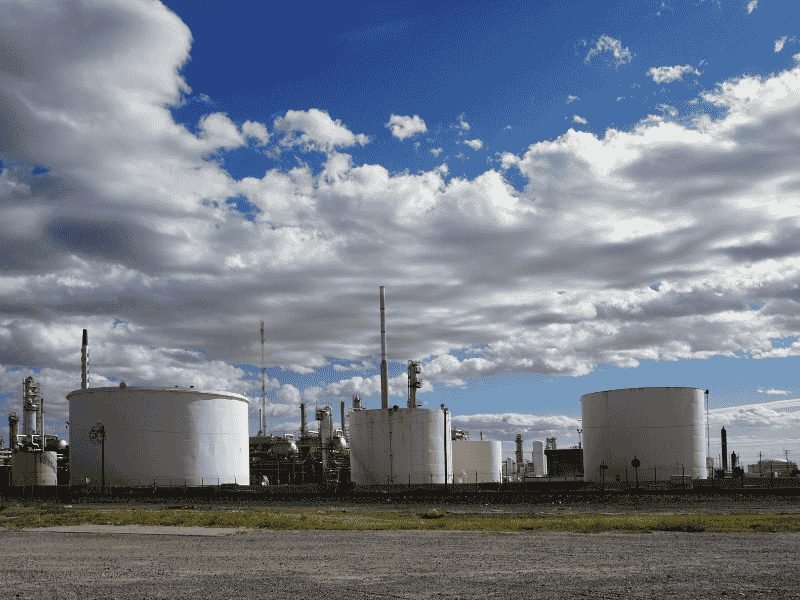
Kenya Pipeline Company (KPC)’s IPO on the Nairobi Stock Exchange in February raised $824 million, directing funds to critical infrastructure gaps and pumping money into Mombasa’s oil trading hub and strategic reserves expansion. The successful listing signals a fundamental shift in the way the market values African energy assets. As supply disruptions push Brent above $100 a barrel, robust midstream infrastructure has become a crucial variable in how investors assess the risk of emerging producers across the continent.
The supply shock that has been occurring in the Strait of Hormuz since late February has disrupted around 20% of global oil supplies and pushed Brent prices above $100 per barrel, reinforcing the strategic importance of local oil reserves. For Africa’s emerging producers, who continue to build layers of infrastructure between their fields and global markets, the disruption highlights the financial risks associated with limited inventory buffers and reliance on spot prices.
Senegalese production paves the way for storage upgrades
In Senegal, total production from the Sangomar oil field reached 36.1 million barrels in 2025, a notable increase over the initial estimate of 30.53 million barrels. Despite this strong production performance, Senegal’s government oil revenue in the 2026 budget is only 76 billion FCFA.
Sangomar crude oil will be exported directly from an offshore FPSO with 1.3 million barrels of operational storage. Senegal sells at the prevailing price on each release date, as it has no domestic strategic stockpiles and no mechanism to hold inventory against market conditions. National oil company Petrosen has allocated $100 million to a new onshore exploration campaign in 2026, expanding its upstream footprint as it considers long-term midstream investments needed to complement productivity. Sangomar is already exceeding initial production projections, and the strategic onshore storage capacity will enable Senegal to hold inventory in line with market conditions and extract greater value from production volumes that have already proven capable of exceeding expectations.
Kenya has an advantage over First Oil in the midstream
The proceeds from KPC’s IPO will be used to expand the midstream infrastructure that Kenya is building ahead of Daiichi Oil. Alongside the Mombasa trade hub, capital has been earmarked for additional storage in the National Strategic Petroleum Reserve. KPC currently operates 1,342 km of pipeline and 884,000 cubic meters of storage capacity and needs to expand its infrastructure ahead of production at the Turkana field, scheduled for December 2026. Gulf Energy is targeting first oil from the southern Lokichar Basin, where recoverable reserves are estimated at 560 million barrels.
Kenyan law has long had a dedicated strategic stockpile obligation, allocated to the National Oil Corporation of Kenya (NOCK), but the plan has stalled due to financial difficulties. KPC’s IPO is a more reliable means of bridging that gap, and market reaction to the listing will provide a near-term indicator of investor appetite for African midstream assets.
Existing facilities in Namibia open opportunities for midstream expansion
In Namibia, NAMCOR operates the National Oil Storage Facility (NOSF) in Walvis Bay, which became operational in 2021 at a total cost of N$6.5 billion and co-financed by the African Development Bank. NOSF was established to extend Namibia’s fuel security from 7-10 days to more than 30 days. As of August 2025, all domestic fuel imports are routed through this facility, which primarily handles imports of refined products. The facility is built for profitability as NAMCOR works to expand throughput and optimize inventory management operations.
The NOSF demonstrates the government’s commitment to energy security infrastructure and emphasizes import security. TotalEnergies is targeting Venus FID in the first half of 2026, with first oil expected in 2029. Galp is also pursuing a three-well Mopan evaluation campaign this year. Although no crude oil storage framework is in place prior to either milestone, the gap between the NOSF model and what exporting Namibia needs suggests midstream investment that the Orange Basin development will bring into service in the coming years.
KPC’s IPO is the clearest sign that the balance is starting to shift. As markets such as Kenya, Senegal and Namibia mature, the storage tier has become an important lens through which investors view the continent’s midstream potential.
