


The proposed facility would be built under IFC’s Global Trade Finance Program (GTFP), which provides international banks with guarantees covering payment risks for trade transactions issued by banks in emerging markets.
If approved, IFC will provide up to $30 million in free guaranteed facilities for trade finance products with terms of up to 360 days.
This arrangement allows international confirming banks to support letters of credit issued by BFA, helping Angolan companies import or export goods while reducing the risks perceived by foreign financiers.
This guarantee mechanism means that IFC does not disburse funds directly, but steps in if BFA is unable to meet its payment obligations.
This multilateral financial institution helps local banks access hard-to-secure international trade finance facilities by backing transactions with high credit ratings.
This initiative is part of IFC’s broader efforts to expand access to trade finance in emerging markets, especially for companies and small businesses that rely on cross-border trade.
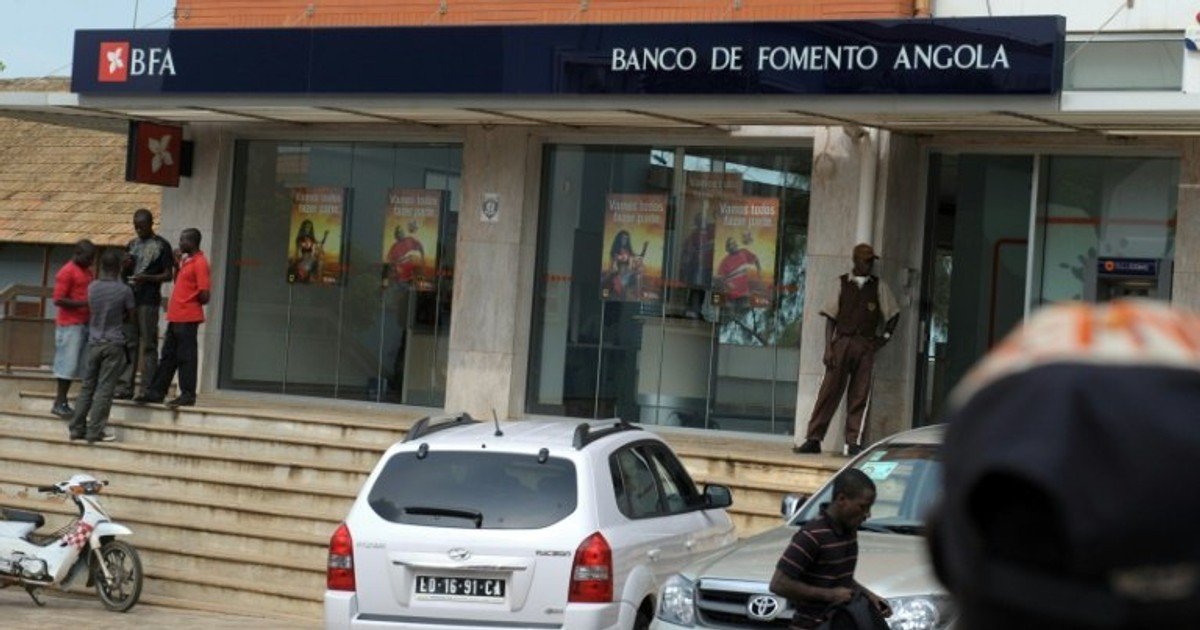
Headquartered in Luanda, BFA is Angola’s second largest bank by deposits and loans. As of mid-2025, the lender serves more than 3.4 million customers through a nationwide network of 160 branches.
The bank’s main shareholders include telecom operator Unitel, which holds a 36.9% stake, and Portugal’s Banco BPI, which owns 33.35% and is owned by Spain’s Caixa Bank.
In September 2025, BFA listed 29.75% of its shares on the Angolan stock market, attracting more than 8,000 investors in what was considered an unusual public offering in the country’s relatively small capital market.
Trade finance remains constrained in much of Africa. Multilateral institutions estimate the continent’s trade finance gap to be more than $100 billion, due to limited access to dollar liquidity, stricter compliance requirements and the difficulties international banks face in assessing credit risk.
In Angola, the problem has been exacerbated by limited direct correspondent banking relationships with U.S. financial institutions since Deutsche Bank stopped clearing U.S. dollar transactions for Angolan banks in 2016. Since then, domestic financial institutions have relied on European intermediaries to process international money transfers, increasing costs.
The situation began to improve in late 2025 when JPMorgan resumed US dollar clearing services for the country, restoring the processing and settlement of dollar-denominated transactions after a nearly decade-long hiatus.
Analysts say schemes like the IFC guarantee could help Angolan banks rebuild correspondent banking relationships and expand access to global trade finance channels as the country works to strengthen its financial system and reconnect more fully with international markets.
