


As wars continue in the Middle East and oil prices remain high, their effects are increasingly permeating the lives of people across Africa.
Oil prices soared above $100 a barrel this week as shipping through the crucial Strait of Hormuz virtually ceased and Iran attacked energy facilities in the Gulf.
Africa’s top energy regulator says fuel shortages and current prices could reduce economic growth across the continent by 3 percentage points.
“There’s a bit of panic,” said Geoffrey Awoli, chief executive officer of the Eastern and Southern African Association of Regional Energy Regulators.
The African Development Bank, a regional development bank, predicted last November that Africa’s economy would expand by 4.3% in 2026.
Despite Nigeria’s oil production, gasoline prices have soared in recent days.
Tricycle rider Rasheed Ainra showed an AFP reporter a small plastic container of petrol and said the price of petrol had increased from ₦200 to ₦600 in a few days.
“I don’t understand the meaning of war,” he said angrily.
“We are not involved, but we are the ones who are suffering the consequences. I mean, look far away. It is the people of Iran and the United States who are at war, but we are the ones who are suffering the consequences.”
Rising oil prices have a ripple effect, causing wide-ranging economic consequences, including higher inflation.
This affects everything from the cost of transporting freight and agricultural products, to the operations of factories and businesses, to the cost of food.
The combined effects increase pressure on household disposable income.
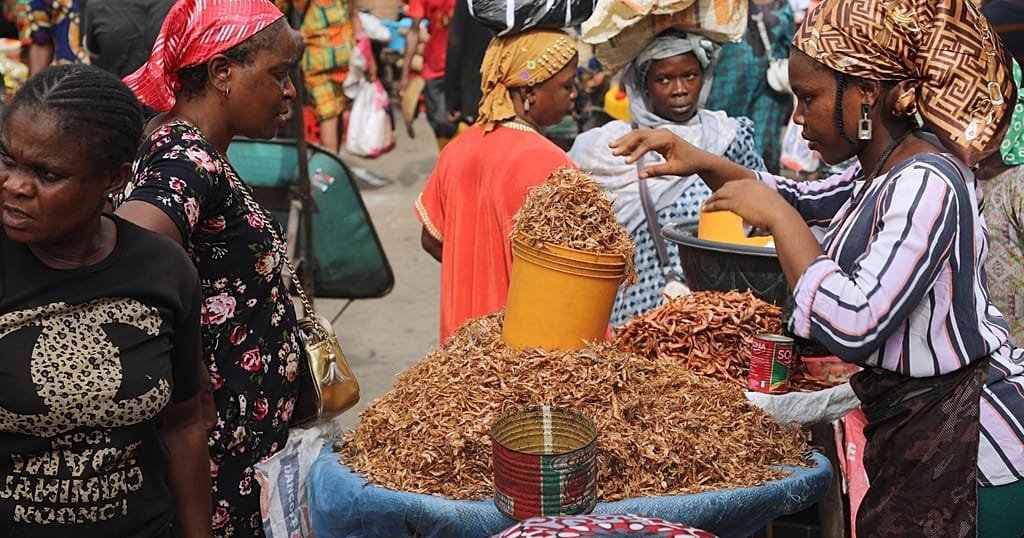
Dolapo Sanusi, who was shopping at a market in Nigeria, suggested that those who can afford it should go out and stock up on essential items at home.
“We don’t know where the price increases are going. Items are becoming more and more expensive. For example, two days ago, items were being sold at regular prices, and now they are even more expensive. If you have money, buy the essentials,” she says.
Time is running out. Most African countries have fuel reserves of only 15 to 25 days, compared to the International Energy Agency’s standard of 90 days.
Awori gave the example of his home country of Kenya, which has 20 days to spare.
The government has promised there will be enough fuel until the end of April, but that is only possible through rationing and a ban on exports to neighboring countries, Aori said.
“New shipments must arrive within 30 days from today,” he said.
African governments need to cushion the impact with immediate fuel rationing and subsidies to cushion the blow of inflation and currency depreciation, but this is not sustainable beyond a few weeks, it added.
He added that the war should serve as a “wake-up call” for the continent, calling for investment in alternative energy sources such as hydrogen and methanol and greater use of electric vehicles.
“We are overly dependent on oil and these wars are not going to end anytime soon.”
Attempts have been made to build more refineries and expand reserves in Africa, but infrastructure costs are running into billions of dollars at a time as countries face many competing demands and heavy debt burdens.
Meanwhile, the war has continued for 16 days, with the US, Israel and Iran continuing attacks across the region.
