


Africa’s construction industry is gradually embracing digital technologies, and artificial intelligence (AI) is emerging as a central force in this transformation. AI applications in construction range from design generation to safety predictions and can significantly improve operational efficiency.
However, the ethical implications of AI, especially regarding job losses on a continent with a rapidly growing youth population, remain a controversial issue. Although there are concerns that AI could replace human workers, construction relies heavily on human judgment and expertise, so it is likely that AI will augment human capabilities. AI can analyze huge datasets and predict project outcomes, aiding the decision-making process and improving overall project management.
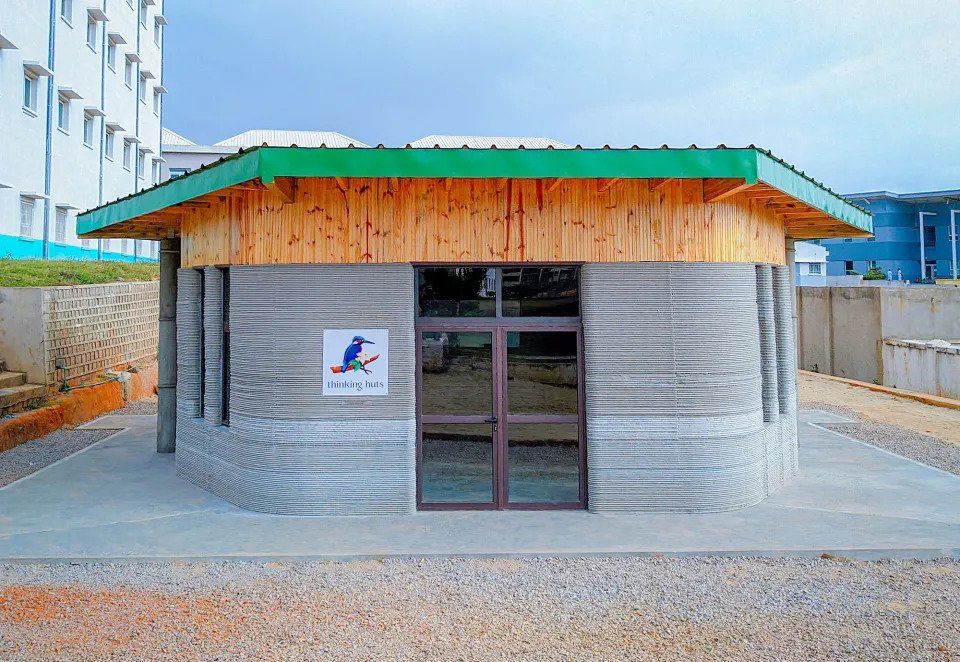
Despite the potential benefits of AI, the adoption of advanced technologies such as 3D printing in Africa’s construction sector is still minimal compared to other regions. In manufacturing, 3D printing facilitates rapid replacement of parts, significantly reducing carbon emissions. However, Africa’s construction industry is still underutilizing this technology, lagging behind sustainable practices that can increase efficiency and reduce environmental impact.
Understanding sustainability in construction
Sustainability in construction is often mistakenly thought of as simply the inclusion of green space. In reality, this includes a wider range of social, economic and environmental factors. For example, the sustainability of road infrastructure requires consideration of impacts on local communities, habitat protection, and job creation. The impact of demolition on property owners and communities is also significant. Demolishing old buildings can be unsustainable, especially if those buildings have historical significance or income-generating potential. Preserving such buildings not only preserves cultural heritage, but also contributes to minimizing waste and reducing carbon emissions.
Revival of traditional practices for sustainable construction
African countries can increase sustainability in construction by integrating environmentally friendly practices that prioritize local materials and labor. Traditional architectural designs using indigenous materials such as gravel, raffia and bamboo can be revived to create sustainable and culturally relevant structures. Engineering design that emphasizes natural light and ventilation inherently reflects the principles of older buildings designed for efficiency and can significantly reduce energy consumption.
Furthermore, it is essential that new buildings be in harmony with the natural environment. For example, minimizing disruption during road construction can be economically beneficial while reinforcing environmentally friendly practices. You can promote sustainable building practices by drawing inspiration from traditional African building methods, such as mud houses. These structures typically use local materials, involve community participation, and are designed to be self-sufficient, thus aligning with modern sustainability goals without compromising profitability.
In conclusion, the integration of AI and sustainable practices in Africa’s construction industry presents a unique opportunity to increase efficiency, protect cultural heritage, and promote environmental stewardship. By leveraging local materials and traditional design, the industry can move towards a more sustainable future that benefits both the economy and the community.

Photo above: 3D printed pilot classroom in Madagascar – for Thinking Huts, a nonprofit organization that strives to enhance global access to education infrastructure using 3D printing technology (Source: 14trees.com/our-projects)
