


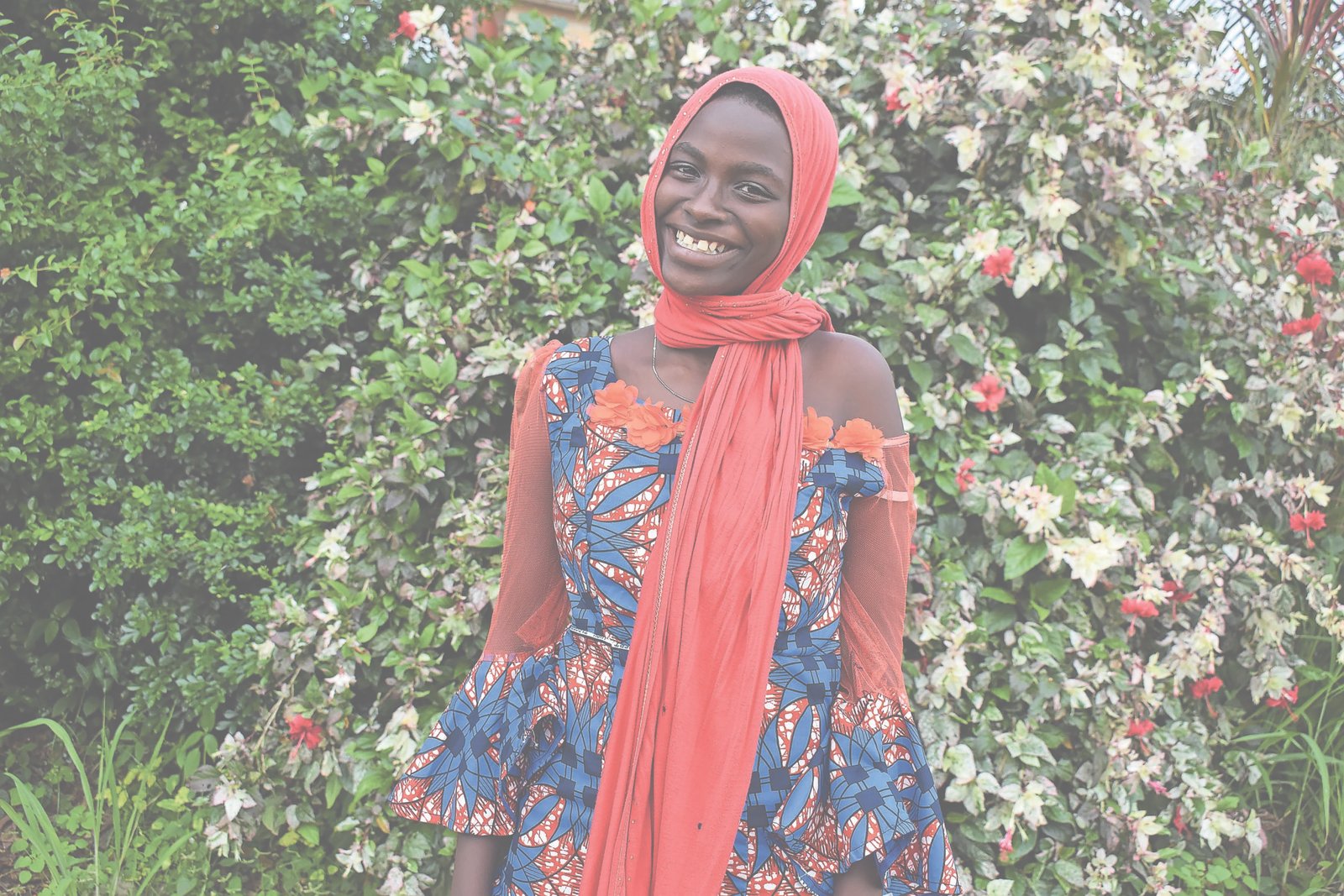
Know your rights. Aisha Saleh from Nigeria missed school because she couldn’t afford menstrual pads and started a donation drive to provide these products to young girls.
Africa has the fastest growing population of any continent, with 60% of Africans under the age of 24. A continent full of young people is full of possibilities. It is a source of new talent and new ideas.
Aisha Saleh, 16, lost her mother at the age of four and lives with her grandmother in a low-income area of Lagos, Nigeria. In 2020, 15-year-old Aisha launched a campaign to tackle period poverty and cultural taboos around menstruation. Like many girls in Nigeria, Aisha had to miss school frequently because she could not afford sanitary products.
Aisha appealed to the Nigerian government to guarantee girls’ right to education by providing free sanitary napkins, and promoted a public donation drive to provide essential hygiene products to girls across the country, including in displaced persons camps.
Aisha embodies a new generation of African youth who refuse to accept injustice and is living proof that young people have the power to change society for the better. But if things continue, many young Africans, like young people in other parts of the world, will not be able to reach their full potential, and young women like Aisha will be denied the opportunities they deserve.
According to the African Union, inequality will continue to rise across the continent unless disparities in the realization of the right to education are addressed. In Burkina Faso, for example, only about 17% of girls attend secondary school, due in part to high rates of child marriage. In some parts of the country, more than half of girls are married before they turn 18.
In Tanzania, the government adopted a ban denying pregnant girls readmission to school, leaving them to fight the cycle of poverty, but the move is being challenged at the African Court of Human Rights.
In South Africa, a child’s educational experience remains dependent on where they live. Millions of children in the poorest states attend school in dilapidated buildings without basic facilities or proper toilets.
Every child in the world has the right to education and the right to live with dignity. health; identity; equality and non-discrimination. A safe place to live. protection from harm; participation (including the right to express an opinion and be heard); body integrity. Protection from armed violence. justice and freedom. Privacy; Minority and Indigenous Rights. education; play; freedom of thought and peaceful protest.
This is not our opinion, these are universal rights enshrined in the 1989 United Nations Convention on the Rights of the Child and signed by all African governments. The following year, African countries went a step further and strengthened their commitment to children’s rights by adopting the African Charter on the Rights and Welfare of the Child.
Our new book, Know Your Rights, Claim Your Rights, outlines the universal rights enshrined in the Convention and the stories of young people around the world campaigning for the rights of themselves and others.
Zulaikha Patel, 19, from South Africa, led a campaign to fight racism at her high school. In 2016, 13-year-old Zulaiha marched with other black learners to demand changes to Pretoria Girls’ High School’s racist and sexist hair policy after the school told students to “fix” or chemically straighten their hair and used racist language to enforce the school’s rules.
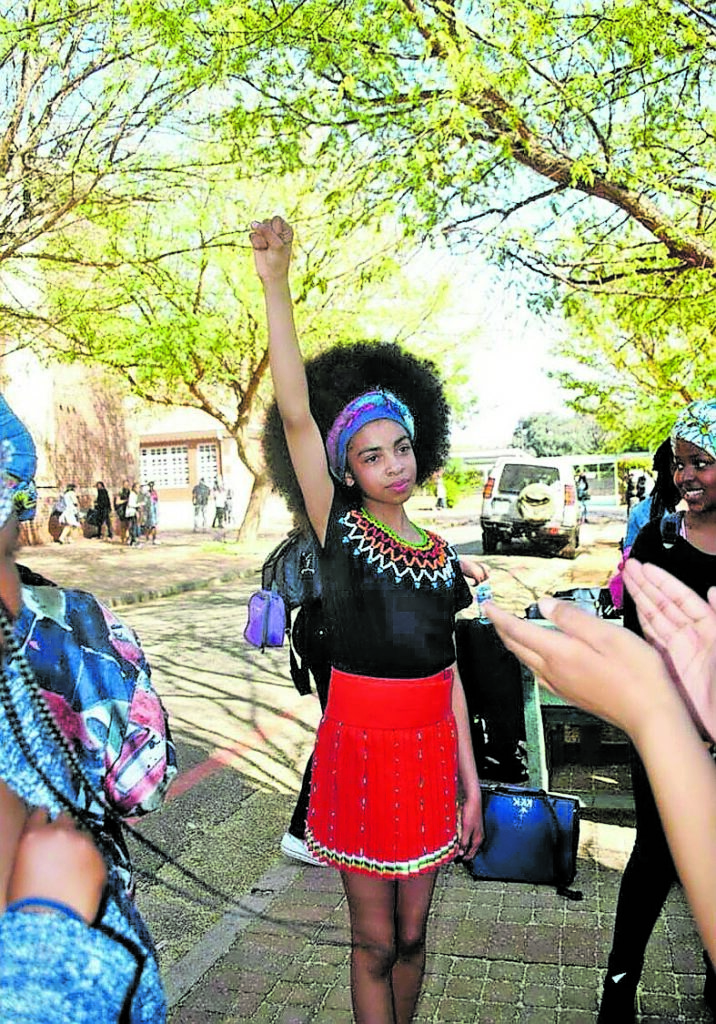
The girls took to social media to make their cause known, starting with the hashtag #StopRacismAt-PretoriaGirlsHigh, which has been used more than 150,000 times.
The campaign united black learners across the country, gave them a platform to express their frustrations with discrimination, and sparked similar protests at other schools.
It worked. The local Ministry of Education has suspended the hair policy. Zulaika has published her debut book, “My Coilly Crown Hair,” which celebrates Afro hair and African identity.
Like Aisha, Zulaiha is proving that youth is a force to be reckoned with.
By providing children with the knowledge and resources they need, we can shine a light on some of the most frightening situations.
In 2005, Moses Akatugba was arrested by the Nigerian military while awaiting the results of his secondary school exams. Moses was shot in the hand, beaten and charged with stealing three mobile phones during a nearby armed robbery, which he denies. He was tortured and forced to sign a confession.
After eight years in prison, Moses was sentenced to death by hanging. While in prison, Moses coached the prison’s football team and tried to keep everyone’s hopes alive. Moses was released in 2015 after activists, including many young people, and Amnesty International demonstrated on his behalf in front of the Nigerian embassy in his country.
Through his time in prison, Moses learned the importance of human rights and witnessed the power of activism. Now 32 years old, he is a student and a campaigner against the death penalty.
Zulaiha, Aisha and Moses are just a few young people who showed that standing up for your rights and believing in yourself can change society. It is time to further invest in young people by ensuring they know their rights and are able to claim them.

Meanwhile, determined young activists continue to shape the future they want to see. Whether it’s confronting racism, climate change, or the poverty of our time, or overcoming adversity, African youth are proving their potential and demonstrating the strength of their peers.
Now we need to support all children by empowering them to claim their rights.
Watch Angelina Jolie’s conversation with Ayesha Saleh and Zulaikha Patel here
