


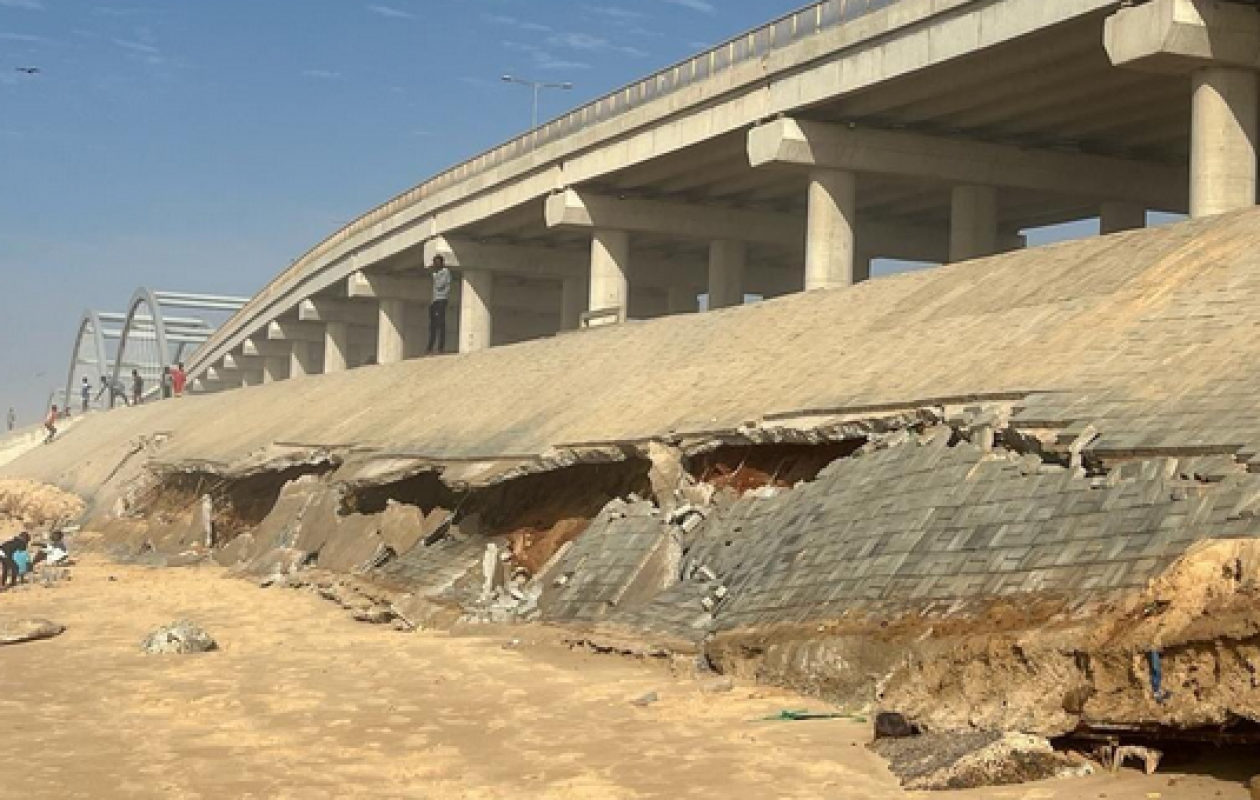
Africa: Building a basic natural environment for infrastructure durability and solutions
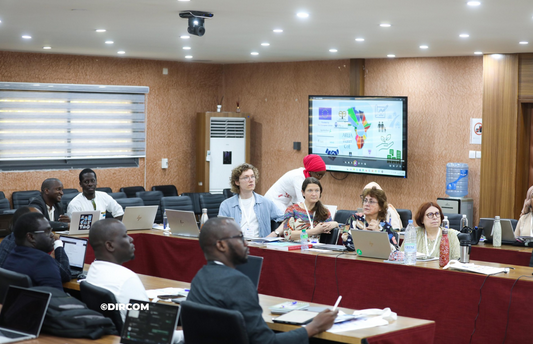
Harnessing nature to build resilient infrastructure is the mission of the Nature-Based Solutions for Africa’s Resilience (Nbs4AfrRes) project. The idea is to go beyond traditional engineering and integrate innovative solutions such as local knowledge. To this end, a training workshop for trainers will be held from March 23rd to 27th at Cheikh Anta Diop University in Dakar. The initiative aims to support the establishment of inter-university master’s degree programs focused on resilient infrastructure and nature-inspired solutions.
The project, which includes UCAD, Thies University of Technology, the University of Cape Town and Rhodes University, aims to foster new research areas and integrate approaches that combine engineering, climate issues and social sciences into training programmes.
Professor Serigne Fay, Project Coordinator at UCAD, highlighted the limitations of traditional training models characterized by disciplinary fragmentation. According to him, the complexity of current challenges requires an integrated approach based on the synergy of engineering, environmental sciences and humanities.
Prof. Mamadou Wein, Principal of Thies University of Technology, who co-chaired the opening ceremony with El Hadj Mamadou Sonko, Director of the Institute of Environmental Sciences (ISE-UCAD), said the university has already started incorporating these solutions into its curriculum. He emphasized the need to train trainers to help students effectively incorporate these approaches and adapt them to local contexts.
EPT’s Project Coordinator, Ababakar Fall, emphasized the importance of training a new generation of engineers with capabilities beyond traditional engineering. He said this includes integrating ecological, social and local knowledge to foster new paradigms for designing infrastructure that is more resilient to climate change. “The goal is to move toward kinder, greener, human-scale solutions,” he said.
Beyond resilience, nature-based solutions also appear to be a response to the financial constraints African countries face when it comes to infrastructure. From design to maintenance, traditional approaches require significant investment, while solutions co-developed with local communities can help reduce costs.
In this context, Jill Slinger broke with Western models and advocated a development model specific to the African continent. She called for architectural development to be in harmony with local realities and ecology.
Ultimately, the Nbs4AfrRes project aims to contribute to the training of African experts who can lead a sustainable ecological transition adapted to the continent’s context.
Author: Mbaye Sadiku
Publication date: Lundi March 23, 2026
