Close Menu
Xsum NewsXsum News

    Stay Updated.

    Get the latest Africa-focused business & infrastructure news and more directly to your inbox.

    What's Hot

    Mining Review Africa launches French and Portuguese versions to bridge regional digital divide

    Building South Africa’s next chapter through sustainable infrastructure

    Southern Africa Eco-Infrastructure Summit 2026 accelerates sustainable infrastructure and green real estate investment across the southern region

    Facebook X (Twitter) Instagram
    Trending
    • Mining Review Africa launches French and Portuguese versions to bridge regional digital divide
    • Building South Africa’s next chapter through sustainable infrastructure
    • Southern Africa Eco-Infrastructure Summit 2026 accelerates sustainable infrastructure and green real estate investment across the southern region
    • Sustainable infrastructure strengthens South Africa’s future
    • Initial 11 rail operators selected for 41 routes as South Africa takes major step in opening up freight rail to private sector
    • Risk mitigation focused as SA opens rail and port networks to private participants
    • AIHS partners with Federal Department of Housing and Urban Development at 18th Housing Show
    • AIHS mourns Raila Odinga and celebrates his work in affordable housing and urban development
    X (Twitter) Instagram YouTube LinkedIn TikTok
    Xsum NewsXsum News
    • African Development Bank
    • Africa Finance Corporation
    • All Africa – Construction & Infrastructure
    • Africa Intelligence
    • Construct Africa
    • More
      • Mining Review Africa
      • Energy Capital Power
      • Sustainability & Climate-Resilient Infrastructure
      • Private-Sector Infrastructure Players
      • Urban Development & Housing
    Xsum NewsXsum News
    You are at:Home»All Africa – Construction & Infrastructure»Uganda’s public debt hits $32.24 billion ahead of first oil production
    All Africa – Construction & Infrastructure

    Uganda’s public debt hits $32.24 billion ahead of first oil production

    Xsum NewsBy Xsum NewsFebruary 15, 2026No Comments4 Mins Read1 Views
    Facebook Twitter Pinterest Telegram LinkedIn Tumblr Email Reddit
    Share
    Facebook Twitter LinkedIn Pinterest WhatsApp Email

    Uganda’s public debt has soared to $32.24 billion, a significant increase largely due to preparations for the country’s first oil production, according to a government report released on Friday.

    The Debt Sustainability Analysis Report for the 2024/25 financial year published by the Ministry of Finance, Planning and Economic Development revealed that total public debt jumped from US$25.59 billion in the 2023/24 financial year to US$32.24 billion by June 30, 2025, an increase of around 26%.

    “The repayment of Bank of Uganda advances and increased development spending in the oil and gas sector, particularly in preparation for maiden oil, are the main causes of this increase in public debt,” the ministry said in its assessment.

    Oil infrastructure drives borrowing surge

    The East African country is accelerating infrastructure investment as it moves closer to joining the ranks of oil-producing nations. The government’s borrowing strategy focuses on financing critical projects needed to extract and transport oil, such as pipeline construction and processing facilities.

    The debt-to-GDP ratio rose from 46.6% in June 2024 to 50.9% in June 2025, reflecting the scale of investment needed to set up the country’s nascent oil industry. According to the ministry’s projections, this ratio is expected to reach 55.5% by June 2026 and fall below the 50% threshold by the 2030/31 financial year.

    Despite the rapid increase, Ugandan authorities maintain that borrowing remains within manageable limits. The ministry stressed that public debt is currently exposed to a moderate risk of a debt crisis and that medium- to long-term sustainability is assured.

    Government outlines fiscal consolidation strategy

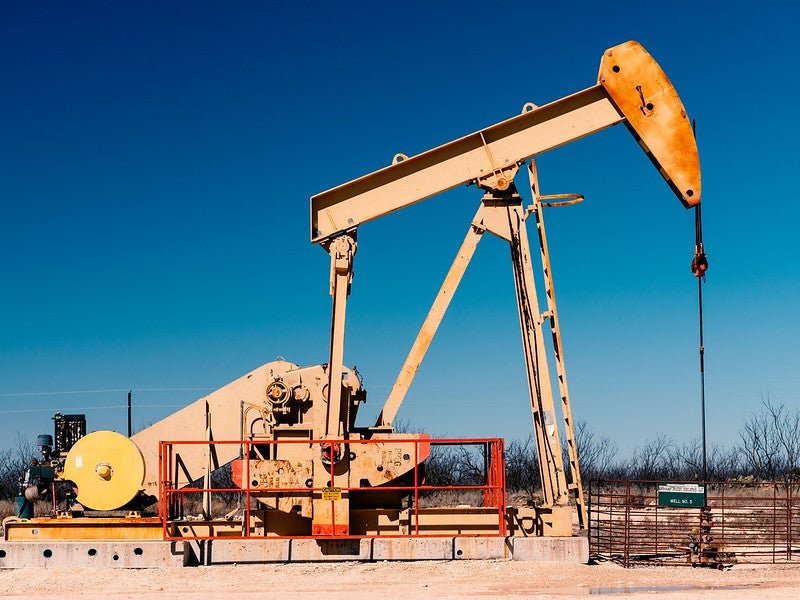
    Uganda’s debt has soared to $32.24 billion as it prepares to produce oil for the first time in history amid efforts to restore fiscal health. Photo: Courtesy of Jonathan Cutler

    Treasury officials outlined a comprehensive approach to maintaining debt sustainability while pursuing ambitious development goals. The strategy includes four key pillars: strengthening domestic revenue mobilization, rationalizing expenditures, implementing the 10x growth initiative, and expected revenues from oil production once operations begin.

    Confidence in the government’s fiscal trajectory rests largely on forecasts for oil revenues, which officials expect will provide significant fiscal support starting in the late 2020s. Uganda discovered commercially viable oil fields in the Albertine region in 2006, but development has progressed slowly due to infrastructure challenges and complex negotiations with international oil companies.

    Treasury officials stressed that the increased borrowing is strategic and directly tied to income-producing assets. Unlike consumption-driven debt, these investments in oil infrastructure are expected to generate a revenue stream that will ultimately reduce dependence on external borrowing and strengthen the country’s financial base.

    Regional economic conditions and international monitoring

    Uganda’s rising debt levels mirror trends across East Africa, with several countries increasing borrowing to finance infrastructure projects aimed at improving economic competitiveness. However, the region faces increased scrutiny from international financial institutions concerned about debt sustainability.

    The International Monetary Fund and the World Bank are urging African governments to carefully manage their debt accumulation while maintaining fiscal discipline. Uganda’s approach to linking increased borrowing to revenue-generating projects represents an attempt to balance development needs with financial prudence.

    Government economists predict that once operations reach full capacity, oil production will generate about $2 billion to $3 billion a year, leading to significant budget cuts. The ministry’s report acknowledges that it is essential to closely monitor debt indicators during this transition period.

    International credit rating agencies have noted Uganda’s rising debt burden, but differ in their assessments of the country’s ability to service its debt once oil revenues are realized. The government has sought to reassure investors that its borrowing strategy is consistent with realistic production schedules.

    As Uganda approaches this historic economic milestone, the balance between investment-led growth and fiscal responsibility will determine whether the oil sector becomes a catalyst for prosperity or a source of fiscal burden. The next few months will be critical.

    ahead billion debt hits Oil production public Ugandas
    Share. Facebook Twitter Pinterest LinkedIn Reddit WhatsApp Telegram Email
    Previous Article“Young African scientists are working to make Africa resilient to disasters!” Marianne Muriki
    Next Article How AI can enhance rather than replace South Africa’s radio voice
    Xsum News
    • Website

    Related Posts

    Africa: 1.3 billion Africans expected to live in urban areas

    March 26, 2026

    Is Africa’s skyscraper mini-boom a cause for alarm?

    March 26, 2026

    Institutional investors take control of Africa’s growing emerging debt market

    March 25, 2026
    Leave A Reply Cancel Reply

    Top Posts

    African Development Bank Group and Nedbank Group sign multi-billion rand funding partnership to transform housing access and boost African trade

    December 19, 202529 Views

    A United Continent on the Move: Ambassador Kouyateh’s Call for an African Logistics Renaissance

    November 20, 202529 Views

    Eni secures multi-million dollar loan for African FLNG project

    January 26, 202622 Views

    African Development Fund and WHO collaborate to save Sudan’s health system

    November 17, 202522 Views
    Don't Miss
    Mining Review Africa April 17, 2026

    Mining Review Africa launches French and Portuguese versions to bridge regional digital divide

    670 VUKA Group’s flagship publication, Mining Review Africa, this week launched a French and Portuguese…

    Building South Africa’s next chapter through sustainable infrastructure

    Southern Africa Eco-Infrastructure Summit 2026 accelerates sustainable infrastructure and green real estate investment across the southern region

    Sustainable infrastructure strengthens South Africa’s future

    Stay In Touch
    • Twitter
    • Instagram
    • YouTube
    • LinkedIn
    • TikTok

    Stay Updated.

    Get the latest Africa-focused business & infrastructure news and more directly to your inbox.

    About Us
    About Us

    Xsum News is Africa’s digital window into the future of business. We tell stories of innovation, enterprise, and investment that are shaping the continent’s economic rise. African Business, Added Up.

    X (Twitter) Instagram YouTube LinkedIn TikTok
    Our Picks

    Mining Review Africa launches French and Portuguese versions to bridge regional digital divide

    Building South Africa’s next chapter through sustainable infrastructure

    Southern Africa Eco-Infrastructure Summit 2026 accelerates sustainable infrastructure and green real estate investment across the southern region

    Most Popular

    African Development Bank praises Algeria’s development model, aims to replicate its success across the continent

    Considering the redefinition of African capital by UBA and Arauba

    G20 Energy Investment Forum brings together Africa’s top finance, insurance and technology leaders

    © 2026 Xsum News. All Rights Reserved.
    • 🌍 About Xsum News
    • 📬 Contact us
    • Privacy Policy
    • Terms & Conditions
    • Disclaimer

    Type above and press Enter to search. Press Esc to cancel.